Companion Planting
What to Plant With Tomatoes: Best Tomato Companion Plants for a Healthier Garden
Wondering what to plant with tomatoes? The best tomato companion plants are usually herbs, flowers, and low-growing vegetables that help attract beneficial insects, make good use of garden space, and support a more diverse growing area.
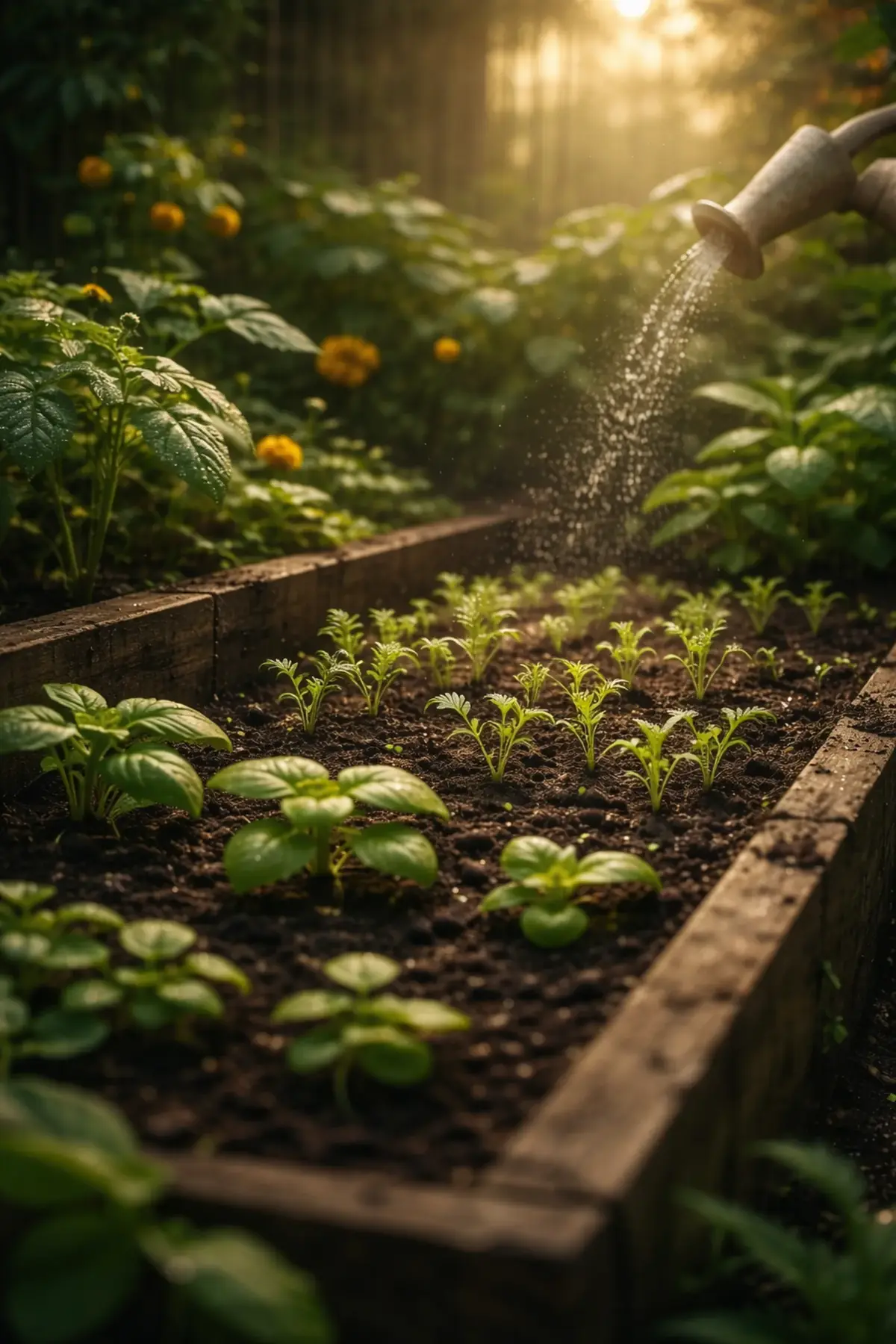
Some of the best plants to grow with tomatoes include basil, marigolds, parsley, chives, onions, garlic, borage, dill, sweet alyssum, nasturtiums, carrots, and calendula. These plants are popular choices because they can attract pollinators, support beneficial insects, add diversity, and in some cases may help reduce pest pressure.
Companion planting is not magic, but it can be a smart way to build a healthier, more balanced tomato garden. For a broader overview of pairings beyond tomatoes, see our companion planting chart for vegetables.
Best Plants to Grow With Tomatoes
1. Basil
Basil is one of the most popular tomato companion plants, and for good reason. It grows well in similar warm, sunny conditions and fits easily around tomato plants without taking over the bed. Basil is often planted near tomatoes to help add diversity and attract beneficial insects. Some research has also shown that basil planted with tomatoes may help reduce thrips and may even support tomato growth.
How to plant it: Plant basil 10 to 18 inches from the base of your tomato plants so both plants have room for airflow and root growth.
Best for: Raised beds, containers, kitchen gardens, and gardeners who want a useful herb right next to their tomatoes.
2. Marigolds
Marigolds are a classic companion plant for tomatoes. Their bright flowers attract pollinators and beneficial insects, and they are easy to tuck around the edges of tomato beds. French marigolds and African marigolds are often discussed for pest management, but it is important not to overstate what they can do. Marigolds are helpful for adding biodiversity, but they are not a complete pest-control solution by themselves.
How to plant it: Plant marigolds around the border of your tomato bed or between tomato plants where they will not crowd the roots.
Best for: Gardeners who want color, pollinator support, and a more diverse vegetable bed.
3. Chives
Chives are a compact herb that fits nicely near tomatoes. Their flowers attract pollinators, and their upright shape means they usually do not compete heavily for space. Chives are especially useful in small gardens because they provide edible leaves, pretty blooms, and beneficial insect support in one small plant.
How to plant it: Plant chives along the edge of a tomato bed or in nearby pots.
Best for: Small-space gardeners, herb gardens, and raised beds.
4. Parsley
Parsley is another good herb to plant near tomatoes. It stays relatively compact, attracts beneficial insects when it flowers, and can be harvested throughout the season. Parsley works especially well in a mixed kitchen garden with tomatoes, basil, chives, and flowers.
How to plant it: Plant parsley near the front or edge of the tomato bed where it gets sun but is not shaded out by mature tomato plants.
Best for: Kitchen gardens, herb companion planting, and beneficial insect support.
5. Borage
Borage is loved by bees and other pollinators. Its star-shaped blue flowers make it a beautiful addition near tomatoes, especially if you want to increase flower diversity in the vegetable garden. Borage can get large, so give it more space than smaller herbs like basil or chives.
How to plant it: Plant borage near the end of the tomato bed or just outside the main tomato row so it does not crowd the plants.
Best for: Pollinator gardens, cottage-style vegetable gardens, and gardeners who want more flowers near their tomatoes.
6. Dill
Dill can attract beneficial insects when it flowers, making it a useful plant near the vegetable garden. It is especially helpful as part of a diverse planting plan with tomatoes, flowers, and other herbs. Because dill can grow tall, place it where it will not shade smaller tomato plants.
How to plant it: Plant dill near the edge of the bed or in a nearby herb area rather than directly under tomato vines.
Best for: Beneficial insect support and herb gardens.
7. Sweet Alyssum
Sweet alyssum is one of the best low-growing flowers to plant near tomatoes. It stays compact, blooms for a long time, and attracts beneficial insects such as hoverflies. Because it is low and spreading, sweet alyssum works well at the front of raised beds or along pathways.
How to plant it: Use sweet alyssum as a border plant around tomato beds, leaving space around tomato stems for airflow.
Best for: Raised beds, pollinator support, and living mulch-style borders.
8. Nasturtiums
Nasturtiums are often used in companion planting because their flowers attract pollinators and beneficial insects. They can trail or spread, so they work best where they have room to ramble. Nasturtiums are also edible, with peppery leaves and flowers.
How to plant it: Plant nasturtiums near the outside edge of a tomato bed, not directly at the base of the tomato plant.
Best for: Pollinator-friendly gardens, edible flower gardens, and informal vegetable beds.
9. Onions and Garlic
Onions and garlic are common tomato companions because they are upright, narrow, and do not take up much horizontal space. They can fit well around tomatoes as long as they are not overcrowded. Alliums such as onions, garlic, scallions, and chives are good choices for gardeners who want edible companion plants that make efficient use of bed space.
How to plant it: Plant onions or garlic along the edge of tomato beds or in nearby rows with enough spacing for both crops.
Best for: Kitchen gardens, raised beds, and gardeners who want practical edible companions.
10. Carrots
Carrots can be planted near tomatoes if the bed has loose soil and enough spacing. They grow underground while tomatoes grow upward, which can make them useful in a mixed vegetable bed. However, carrots need light and room while they are young, so avoid planting them where mature tomato foliage will shade them too heavily.
How to plant it: Plant carrots in a nearby row or at the front of a tomato bed where they will still receive sun.
Best for: Raised beds, loose soil, and gardeners who want to maximize growing space.
11. Calendula
Calendula is a cheerful edible flower that can attract pollinators and beneficial insects. It is easy to grow from seed and fits well in vegetable gardens. Calendula also adds color to a tomato bed and can be used in a pollinator-friendly garden design.
How to plant it: Plant calendula around the outside of tomato beds or in nearby flower strips.
Best for: Pollinator gardens, cottage gardens, and mixed vegetable beds.
Quick List: What to Plant With Tomatoes
Here are the best companion plants for tomatoes:
- Basil
- Marigolds
- Chives
- Parsley
- Borage
- Dill
- Sweet alyssum
- Nasturtiums
- Onions
- Garlic
- Scallions
- Carrots
- Calendula
What Not to Plant With Tomatoes
Some plants are better kept away from tomatoes because they may compete too heavily, increase disease risk, or create poor growing conditions.
Potatoes, eggplant, peppers, tomatillos, and ground cherries
These crops are in the same plant family as tomatoes. They can share some of the same diseases and pests, so avoid planting them in the same spot year after year. In small gardens, you do not necessarily need them on opposite sides of the yard, but you should rotate tomato-family crops when possible.
Black walnut trees
Tomatoes are sensitive to juglone, a natural compound produced by black walnut trees. Avoid planting tomatoes near black walnut roots, leaves, or decomposing walnut debris.
Large, aggressive plants
Avoid planting tomatoes too close to large plants that will shade them, crowd their roots, or reduce airflow. Tomatoes need sun, space, and good airflow to stay productive.
Fennel
Fennel is often listed as a poor companion for many vegetables because it can inhibit nearby plant growth. It is best grown in its own area away from the main vegetable bed.
Simple Tomato Companion Planting Layout
For an easy raised bed layout, try this:
- Center of bed: Tomatoes with cages or trellises
- Between tomatoes: Basil or parsley
- Front edge: Sweet alyssum, chives, or calendula
- Back or side edge: Marigolds, borage, dill, or nasturtiums
- Nearby row: Onions, garlic, scallions, or carrots
This layout keeps taller plants from shading smaller ones, gives tomatoes airflow, and adds flowers and herbs that support beneficial insects.
Tips for Companion Planting Tomatoes Successfully
Do not overcrowd the bed
Companion plants are only helpful if your tomatoes still have enough light, airflow, water, and nutrients. Crowding too many plants into one bed can make disease problems worse.
Keep airflow around tomato stems
Leave open space around the base of tomato plants. This helps leaves dry faster after rain or watering.
Use mulch
Mulch helps conserve moisture, protect soil, and reduce soil splash on lower tomato leaves.
Water at the base
Drip irrigation or careful watering at the soil level helps keep tomato leaves dry, which can reduce disease pressure.
Choose useful companions
The best tomato companion plants are ones you will actually use or enjoy: herbs for the kitchen, flowers for pollinators, and low-growing plants that make the bed more productive.
Plan Your Tomato Garden in BotaNotes
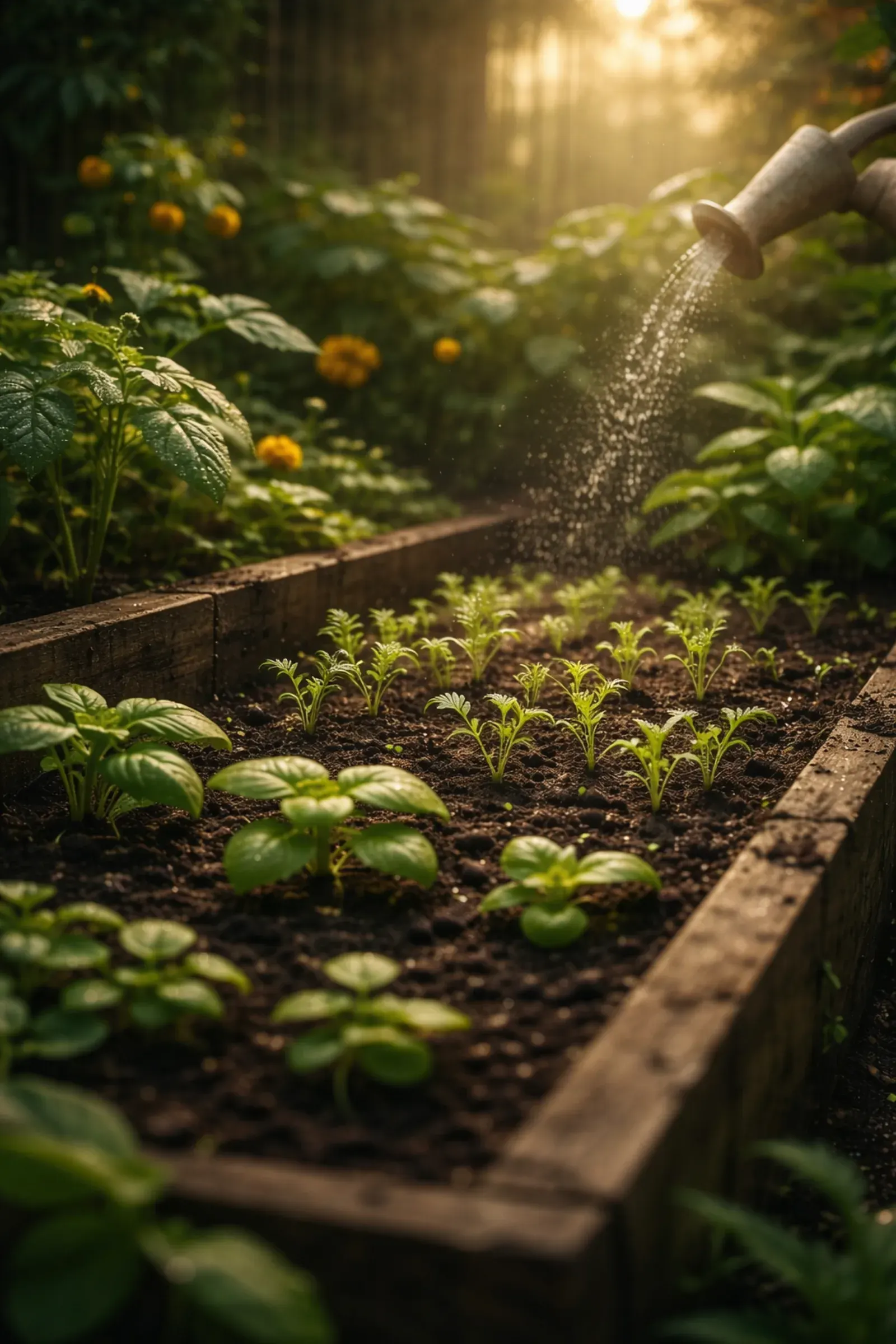
Sketching tomato beds with companions is a lot easier when you can see the layout. With BotaNotes, you can drop tomatoes into a visual bed, place basil, marigolds, and alliums around them, track planting dates, and follow each plant from seedling to harvest in your garden journal.
Frequently Asked Questions
What is the best companion plant for tomatoes?
Basil is one of the best and most popular companion plants for tomatoes. Marigolds, chives, parsley, sweet alyssum, and calendula are also excellent choices.
Can you plant basil with tomatoes?
Yes. Basil and tomatoes grow well together because they both like warm weather and full sun. Basil is also compact enough to fit near tomato plants in raised beds and containers.
Can you plant marigolds with tomatoes?
Yes. Marigolds are commonly planted with tomatoes to add color, attract beneficial insects, and increase plant diversity in the garden.
What herbs grow well with tomatoes?
Basil, parsley, chives, dill, rosemary, coriander, and borage are all good herbs to consider near tomatoes, depending on your space and layout.
What flowers grow well with tomatoes?
Marigolds, calendula, sweet alyssum, borage, and nasturtiums are good flowers to grow near tomatoes.
What should not be planted next to tomatoes?
Avoid planting tomatoes too close to black walnut trees, fennel, or large aggressive plants that shade and crowd them. Also avoid growing tomatoes in the same soil where potatoes, eggplant, peppers, tomatillos, or other tomato-family crops recently grew.
Final Thoughts
The best plants to grow with tomatoes are not just "pest-repelling" plants. A good tomato companion planting plan should add diversity, attract beneficial insects, make smart use of space, and keep tomatoes healthy with plenty of sun and airflow.
If you want a simple starting point, plant tomatoes with basil, marigolds, chives, parsley, sweet alyssum, and calendula. That combination is beautiful, useful, beginner-friendly, and easy to manage in a raised bed or home garden.
Grow your garden with BotaNotes: save your tomato varieties, plan companion plants, track planting dates, add garden notes, and follow your plants from seedling to harvest.