Garden Planning
Companion Planting Chart for Vegetables: Good and Bad Neighbors
A practical, visual companion planting chart for tomatoes, peppers, cucumbers and more — and how the BotaNotes garden planner applies these rules automatically.
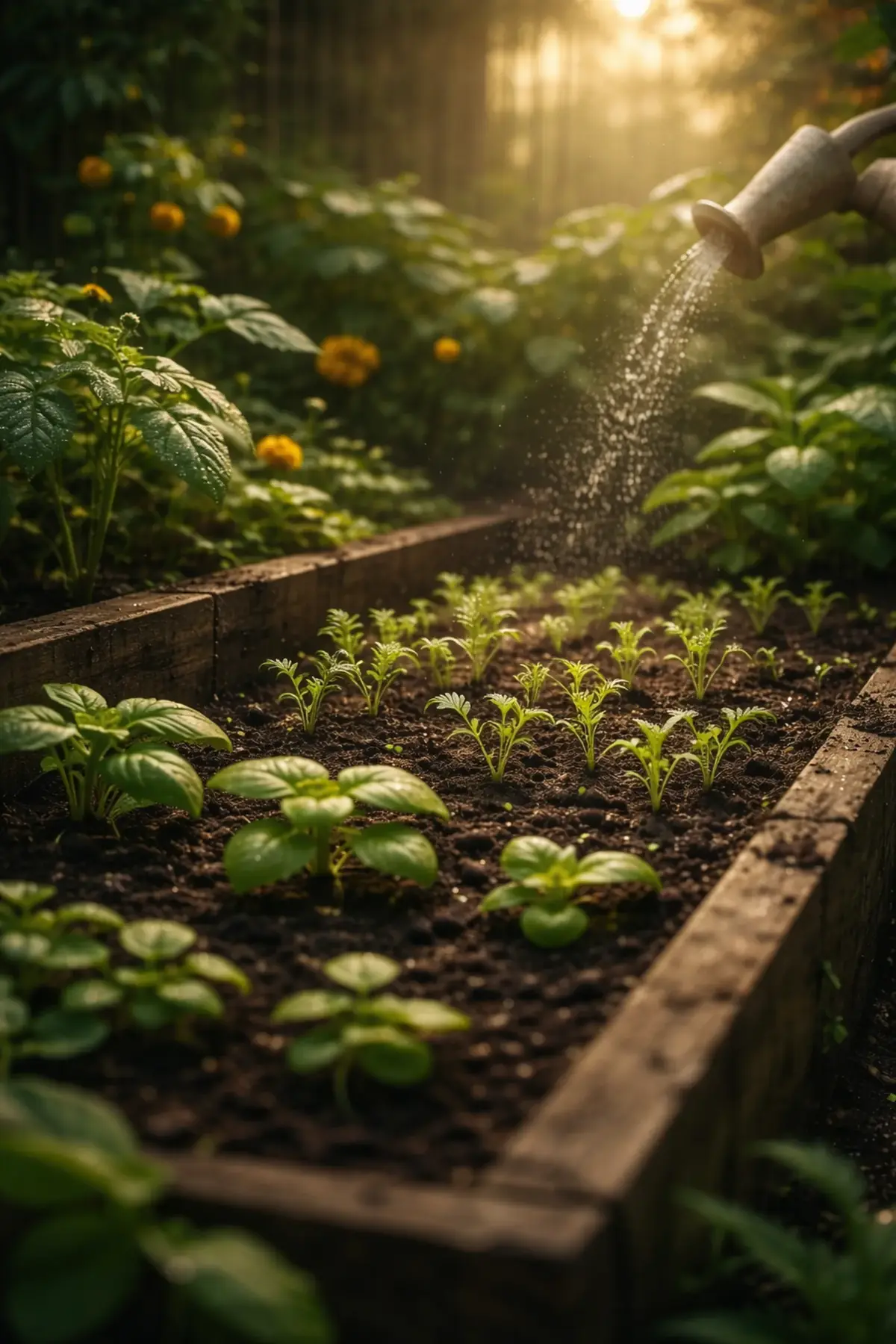
What is companion planting?
Companion planting is the practice of growing certain vegetables, herbs, and flowers next to each other so they support each other — repelling pests, attracting pollinators, fixing nitrogen, shading roots, or simply not competing for the same nutrients. Good neighbors help each other thrive. Bad neighbors stunt growth, share diseases, or invite the same pests.
The chart below covers the ten vegetables most home gardeners plant. Use it as a quick reference when you sketch your beds this season.
Companion planting chart
| Vegetable | Good neighbors | Bad neighbors |
|---|---|---|
| Tomatoes |
|
|
| Peppers |
|
|
| Cucumbers |
|
|
| Carrots |
|
|
| Beans |
|
|
| Lettuce |
|
|
| Squash & Zucchini |
|
|
| Broccoli & Cabbage |
|
|
| Onions & Garlic |
|
|
| Strawberries |
|
|
Why these pairings work
Tomatoes
Basil repels hornworms and improves flavor. Brassicas and potatoes compete for nutrients and share disease.
Peppers
Aromatic herbs deter aphids. Beans can shade peppers and brassicas compete heavily.
Cucumbers
Beans fix nitrogen; corn provides a natural trellis. Sage stunts cucumber growth.
Carrots
Onions and leeks repel carrot flies. Dill cross-pollinates and reduces yield.
Beans
Beans fix nitrogen for heavy feeders. Alliums inhibit bean growth.
Lettuce
Radishes break soil; tall companions provide light shade in summer.
Squash & Zucchini
The classic Three Sisters trio. Nasturtium repels squash bugs.
Broccoli & Cabbage
Aromatic herbs mask brassica scent from cabbage moths.
Onions & Garlic
Strong scent deters most pests but stunts legumes.
Strawberries
Borage boosts berry yield. Brassicas compete and harbor shared pests.
A closer look at the top three
Tomatoes
Tomatoes are heavy feeders and disease-prone, which is why companion choice matters so much. Basil planted at the base of tomato plants repels hornworms and whiteflies, and many gardeners swear it improves the fruit's flavor. Marigolds suppress root-knot nematodes in the soil. Carrots loosen the soil around tomato roots. Avoid planting tomatoes near brassicas (cabbage, broccoli, kale) — they compete heavily for nitrogen — and keep them well away from potatoes, which share blight.
Peppers
Peppers love the same conditions as tomatoes and pair well with most of the same companions. Basil and onions deter aphids and thrips. Carrots and spinach act as low ground cover that keeps the soil cool. Skip planting peppers next to beans, which can overshadow them, and avoid fennel — it inhibits the growth of nearly every vegetable.
Cucumbers
Cucumbers are the classic "Three Sisters" companion alongside corn and beans: beans fix nitrogen, corn provides a vertical trellis, and cucumber vines shade the soil. Dill attracts beneficial wasps that prey on cucumber beetles. Nasturtium acts as a trap crop for aphids. Keep cucumbers far from sage and other strongly aromatic herbs, which can stunt their growth.
How BotaNotes automates companion planting
Memorizing a full companion planting chart is hard. Applying it while you're dragging tomatoes, peppers, and cucumbers around a raised bed is even harder. That's where the visual planner in BotaNotes helps.
When you drop a plant into your bed, BotaNotes already knows its preferred neighbors, spacing requirements, sun needs, and which plants to keep apart. Instead of cross-checking a printed chart, you can plan your garden visually and let the app surface the companion-planting insights as you build the layout. Combined with care reminders, a garden journal, and AI-powered tools for plant ID and troubleshooting, it turns companion planting from a memorization exercise into something you actually use every season.