Pest Control
How to Get Rid of 10 Common Garden Pests
A practical, organic-first guide to identifying and stopping the insects, mites, and mollusks that do the most damage to flower and vegetable gardens — and how to keep them from coming back.
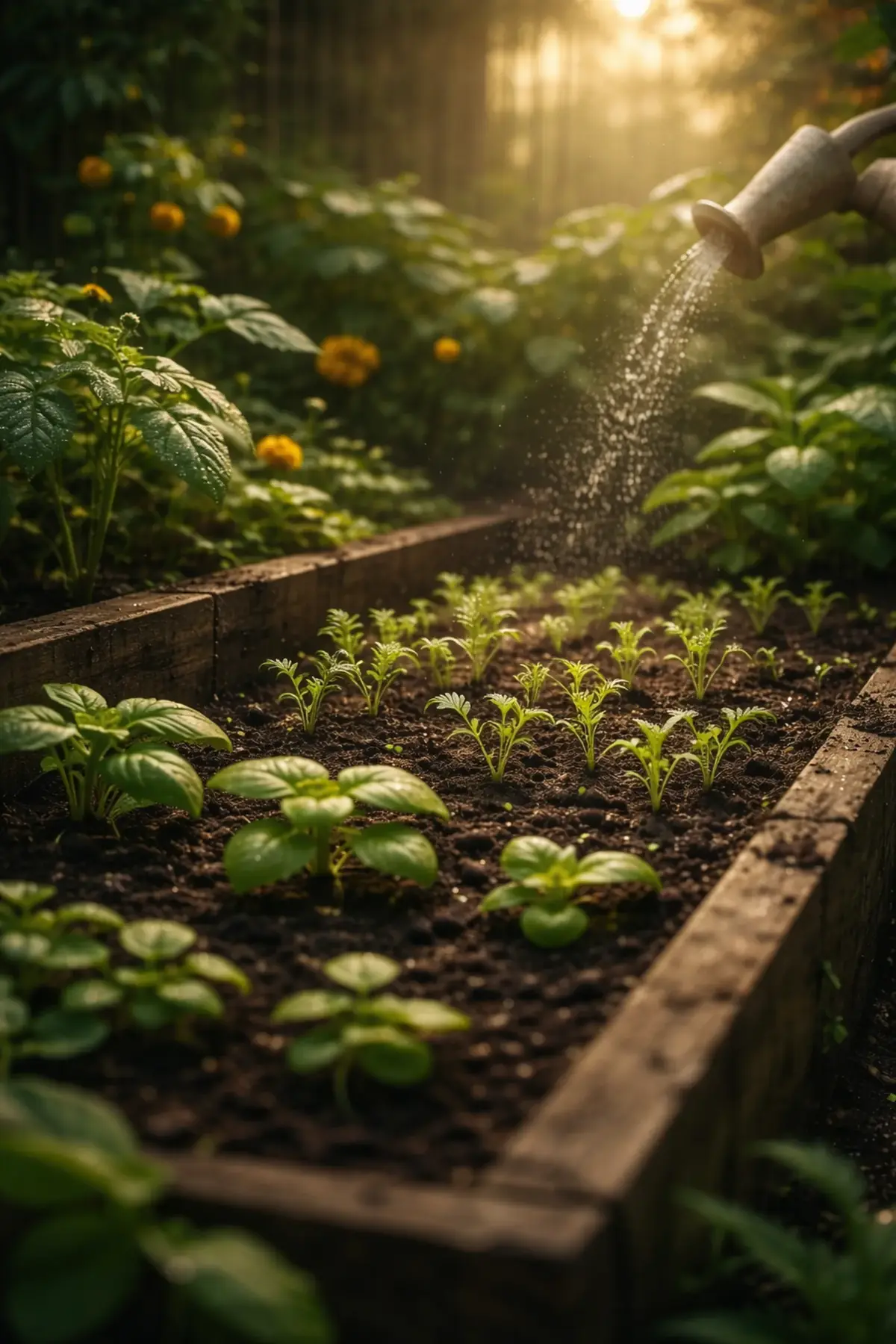
Every gardener eventually meets them: the chewed leaves, the sticky residue, the seedlings clipped overnight. Garden pests are part of growing a garden, but they do not have to ruin it. The trick is knowing exactly what you are dealing with and acting early — before a small colony becomes a full-blown infestation.
Below is a field guide to ten common garden pests in North America — including insects, mites, and mollusks — along with the most effective organic ways to stop each one. Save it, bookmark it, or log sightings in your BotaNotes garden journal so you can spot patterns season after season.
A few rules that work on every pest
- Inspect twice a week. Most pests are easy to handle when caught early and almost impossible once they explode.
- Start with the least-toxic option. Water sprays, hand-picking, and row covers solve most problems without disturbing pollinators.
- Encourage predators. Ladybugs, lacewings, parasitic wasps, and birds eat enormous numbers of pests for free.
- Keep plants healthy. Stressed plants attract pests. Consistent watering, good spacing, and rich soil are your first line of defense.
- Spray at dusk. Even organic sprays can harm bees if applied while pollinators are active.
1. Aphids
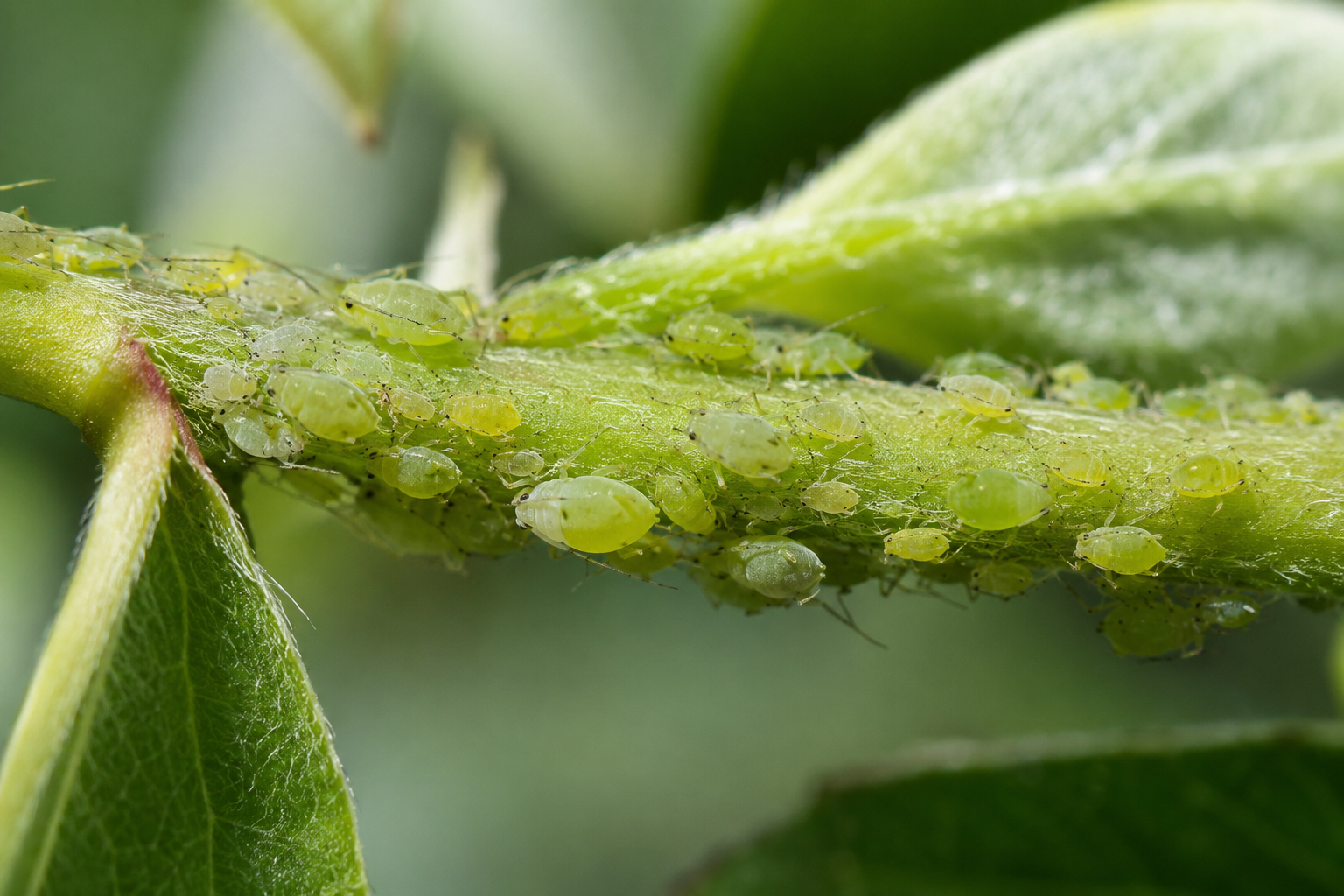
What they do: Tiny pear-shaped insects (green, black, yellow, or pink) that cluster on new growth and the undersides of leaves. They suck sap, causing curled, yellowed leaves and sticky honeydew that attracts ants and sooty mold.
Plants most at risk: Roses, tomatoes, peppers, lettuce, kale, beans, fruit trees.
How to get rid of them organically:
- Blast them off with a strong jet of water in the morning, repeat every 2–3 days.
- If water sprays are not enough, use a labeled insecticidal soap or horticultural oil, covering the undersides of leaves. Test a small area first and avoid spraying drought-stressed plants or during hot sun.
- Release ladybugs or lacewings — both eat hundreds of aphids per week.
- Interplanting flowers such as alyssum, dill, fennel, cosmos, and yarrow may help attract beneficial insects, but use them as support — not as your only control.
Last resort: If infestation is severe, neem oil or azadirachtin products can be used as directed on the label — spray at dusk to protect pollinators.
2. Slugs and Snails
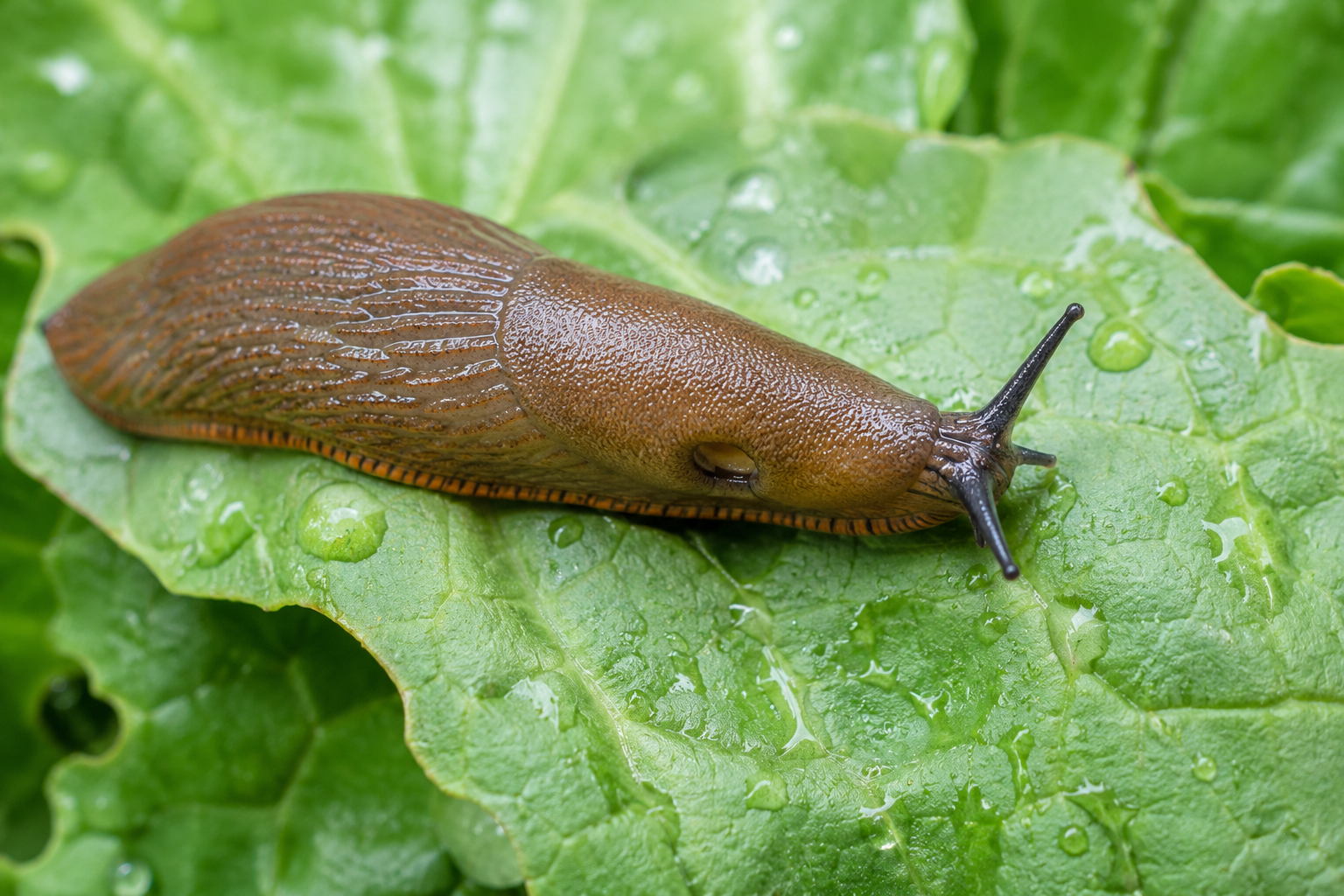
What they do: Irregular holes in leaves, slimy trails, and seedlings mowed to the ground overnight. Worst in damp, shaded, mulched gardens.
Plants most at risk: Hostas, lettuce, strawberries, basil, marigolds, young seedlings.
How to get rid of them organically:
- Hand-pick at night with a flashlight — drop them in soapy water.
- Reduce moist hiding places: thin heavy mulch, space plants for airflow, and water in the morning rather than evening.
- Trap them by laying a board or upturned flowerpot on the soil; collect the slugs hiding underneath each morning.
- Barriers such as copper tape or diatomaceous earth may help temporarily in dry conditions, but moisture reduces effectiveness. Do not rely on them as your main control.
Last resort: Iron phosphate slug baits (sold as Sluggo) are generally safer than metaldehyde products, but they are still pesticides. Follow the label and keep pets and children away from bait.
3. Japanese Beetles
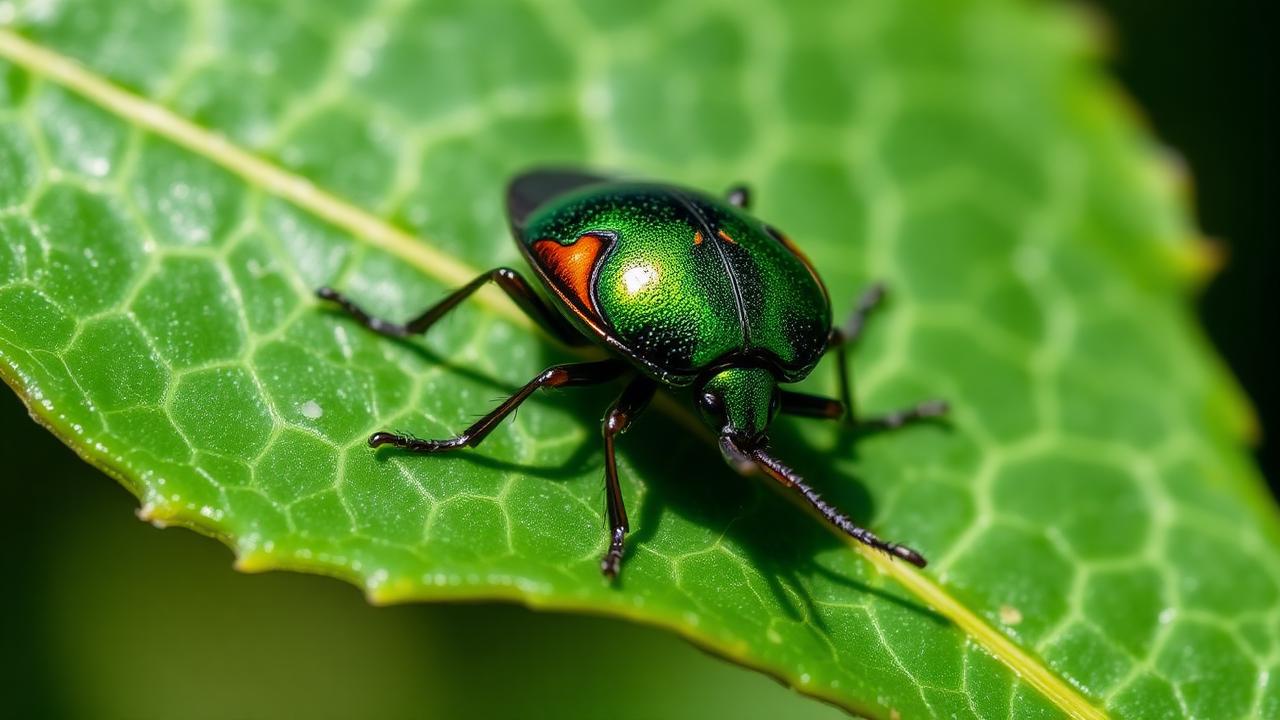
What they do: Metallic green-and-copper beetles that skeletonize leaves and devour flowers in summer. Their grubs damage lawns from below.
Plants most at risk: Roses, raspberries, grapes, beans, basil, hibiscus, linden trees.
How to get rid of them organically:
- Hand-pick in early morning when they are sluggish; knock them into soapy water.
- Apply milky spore or beneficial nematodes to your lawn to kill the grubs.
- Cover prized plants with floating row cover during peak beetle weeks.
- Avoid pheromone traps — they tend to attract more beetles than they catch.
Last resort: Spray neem oil weekly on heavily-fed plants; it disrupts feeding and reproduction.
4. Spider Mites
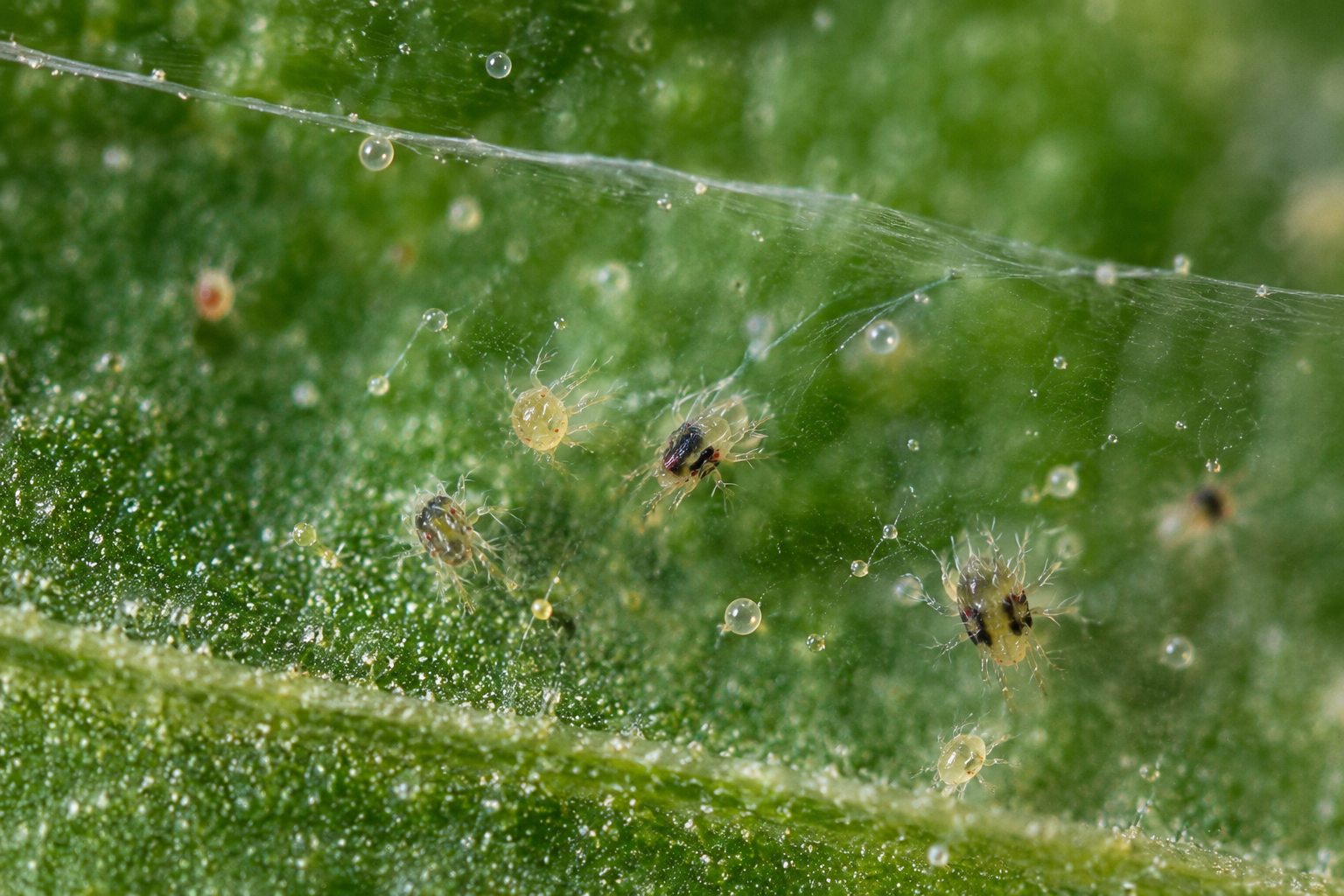
What they do: Microscopic pests that cause yellow stippling on leaves and fine webbing on undersides. Thrive in hot, dry, dusty conditions.
Plants most at risk: Tomatoes, cucumbers, melons, beans, strawberries, houseplants moved outdoors.
How to get rid of them organically:
- Spray plants forcefully with water — especially undersides of leaves — every 2–3 days.
- Increase humidity around plants by mulching and watering consistently.
- Release predatory mites (Phytoseiulus persimilis) for greenhouse or severe outbreaks.
- Apply insecticidal soap or horticultural oil, covering both leaf surfaces.
Last resort: Avoid broad-spectrum pesticides; they kill the predators that keep mites in check.
5. Whiteflies
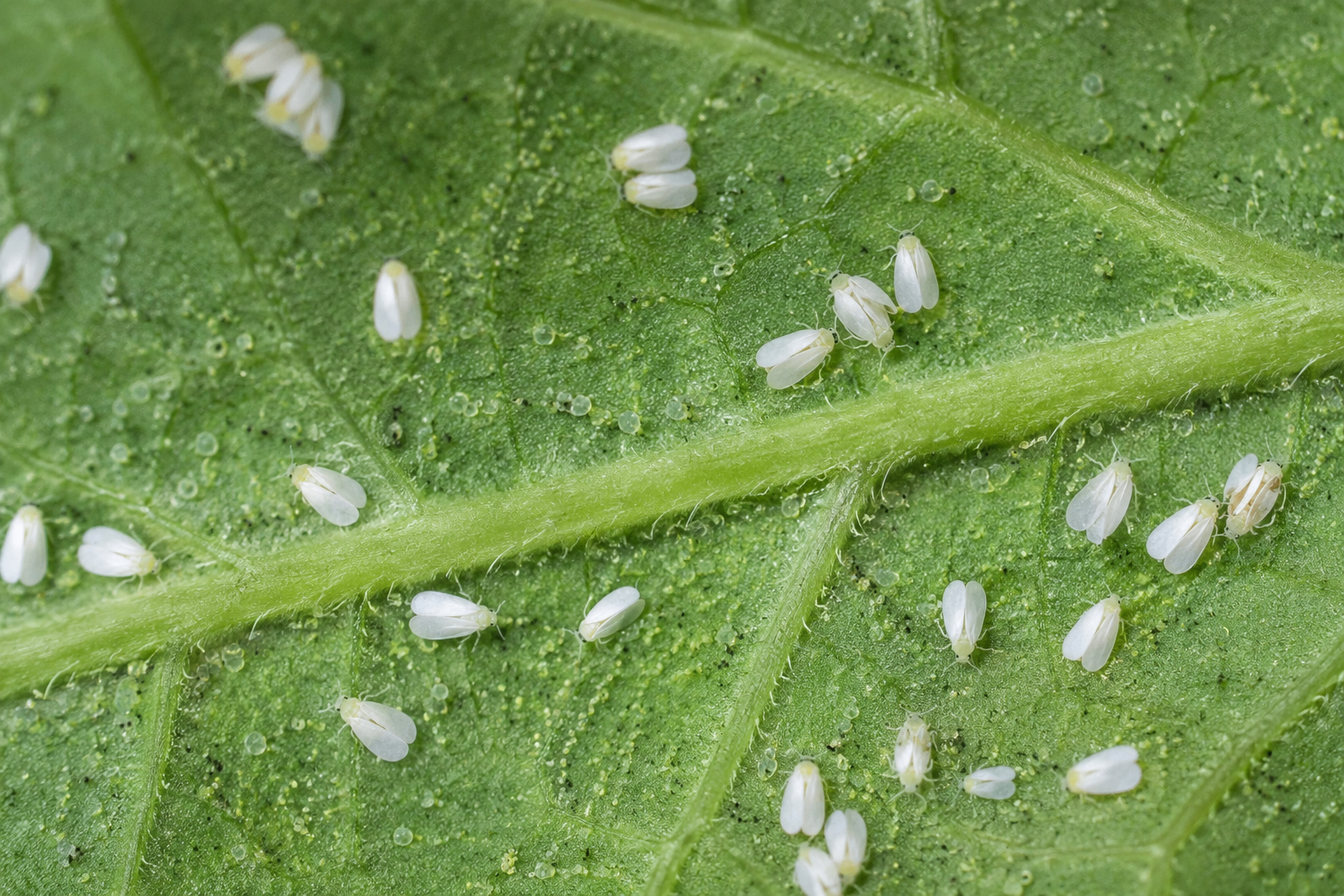
What they do: Tiny white moth-like insects that fly up in clouds when leaves are disturbed. They suck sap, weaken plants, and spread viruses.
Plants most at risk: Tomatoes, peppers, eggplant, cabbage, citrus, hibiscus.
How to get rid of them organically:
- Hang yellow sticky traps just above the canopy to monitor and trap adults.
- Focus sprays on leaf undersides where whiteflies live — insecticidal soap, neem, or horticultural oils only work on insects they directly contact, so thorough coverage and repeat applications matter.
- Use strong water sprays to knock adults and nymphs off leaves, and remove heavily infested lower leaves to reduce populations.
- In greenhouses, Encarsia formosa parasitic wasps may help. Outdoors in temperate zones they are not generally recommended; instead, protect natural predators like lacewings and lady beetles.
Last resort: Expect to reduce — not eliminate — whiteflies. Keep monitoring with sticky cards and reapply sprays as new generations hatch.
6. Cabbage Worms
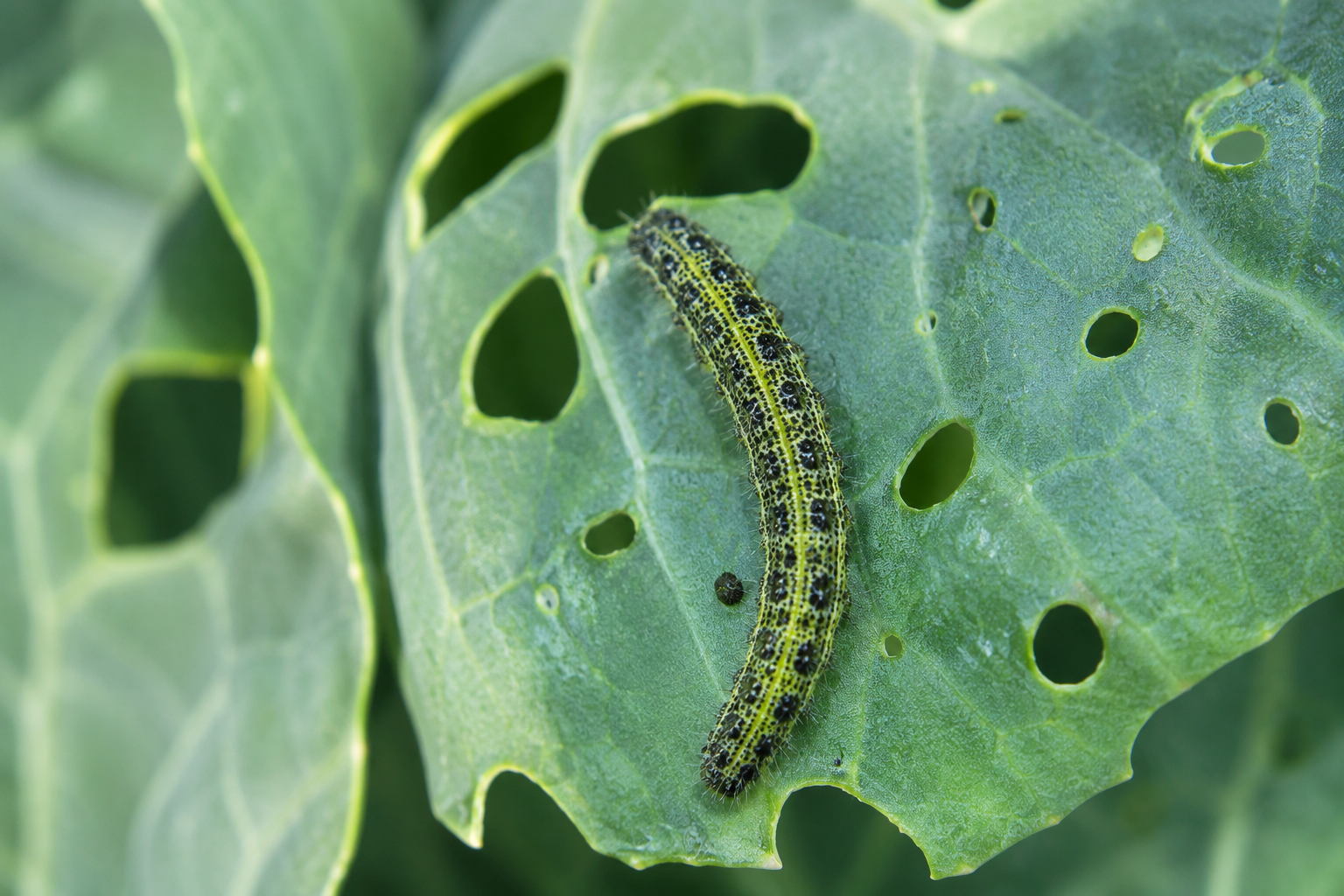
What they do: The velvety green caterpillars of the white cabbage butterfly chew large holes in leaves and bore into heads, leaving dark frass behind.
Plants most at risk: Cabbage, broccoli, kale, cauliflower, brussels sprouts, collards.
How to get rid of them organically:
- Cover plants with floating row cover from transplant until harvest.
- Hand-pick caterpillars and eggs (tiny yellow dots on leaf undersides) weekly.
- Spray Bt (Bacillus thuringiensis) — it targets caterpillars when they eat treated foliage, and works best on young, actively feeding caterpillars. Reapply after rain.
- Interplant with flowers such as alyssum, dill, and yarrow to support beneficial insects — use this as a supplement, not your main control.
Last resort: Rotate brassicas to a different bed each season to break the pest cycle.
7. Squash Bugs
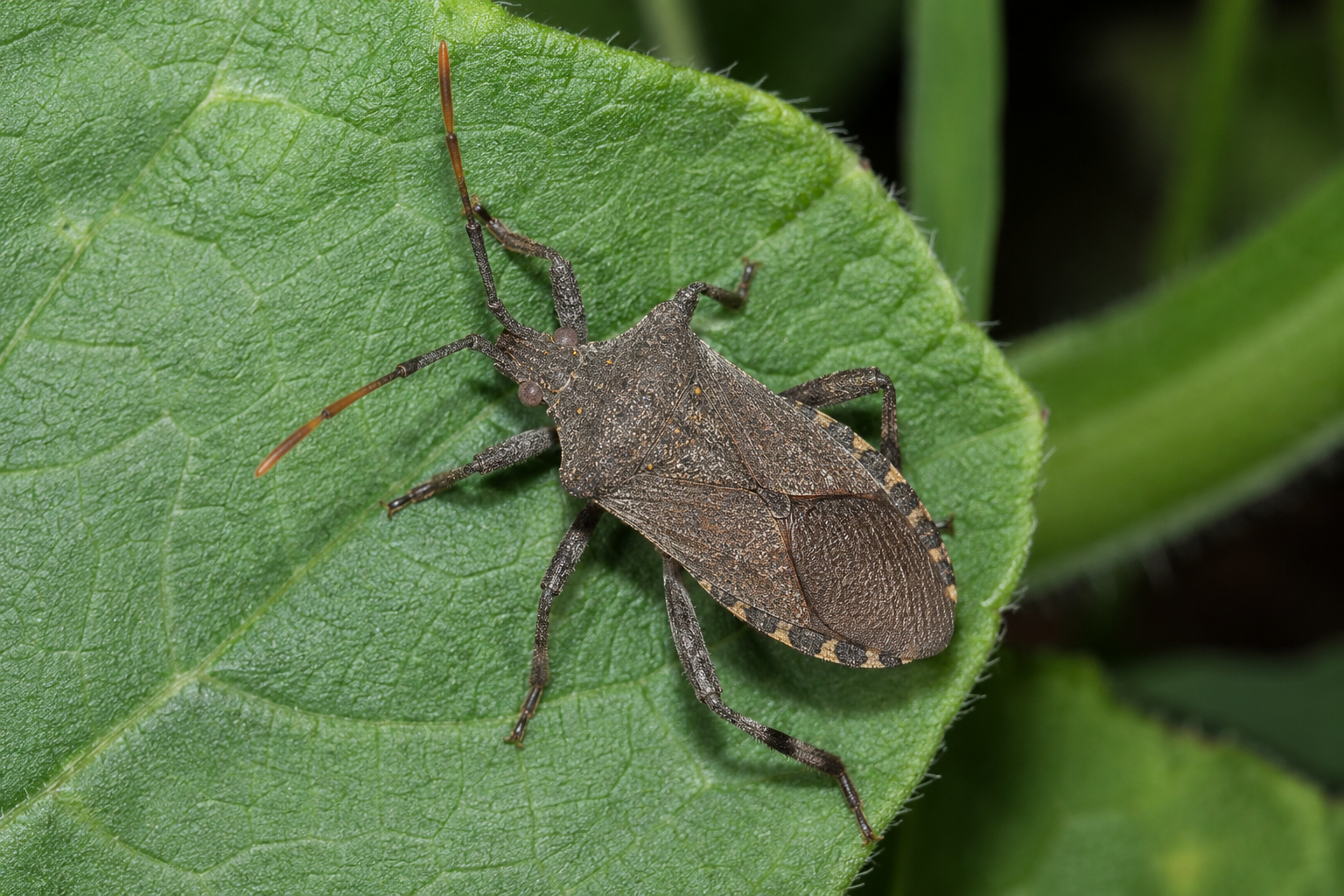
What they do: Gray-brown shield-shaped bugs that suck sap from leaves, causing wilting and eventual plant collapse. Bronze egg clusters appear on leaf undersides.
Plants most at risk: Squash, pumpkins, zucchini, melons, cucumbers.
How to get rid of them organically:
- Inspect undersides of leaves twice a week and scrape egg clusters (yellowish to bronze, often laid near veins) into soapy water.
- Lay a board on the soil at night; bugs hide under it and can be collected at dawn.
- Use floating row cover on young plants, but remove it once flowers appear so pollinators can reach the blooms.
- Clear heavy mulch and garden debris where adults overwinter, and rotate cucurbits to a new bed each season.
Last resort: Pull and destroy plants immediately after harvest to deny them an overwintering site.
8. Tomato Hornworms
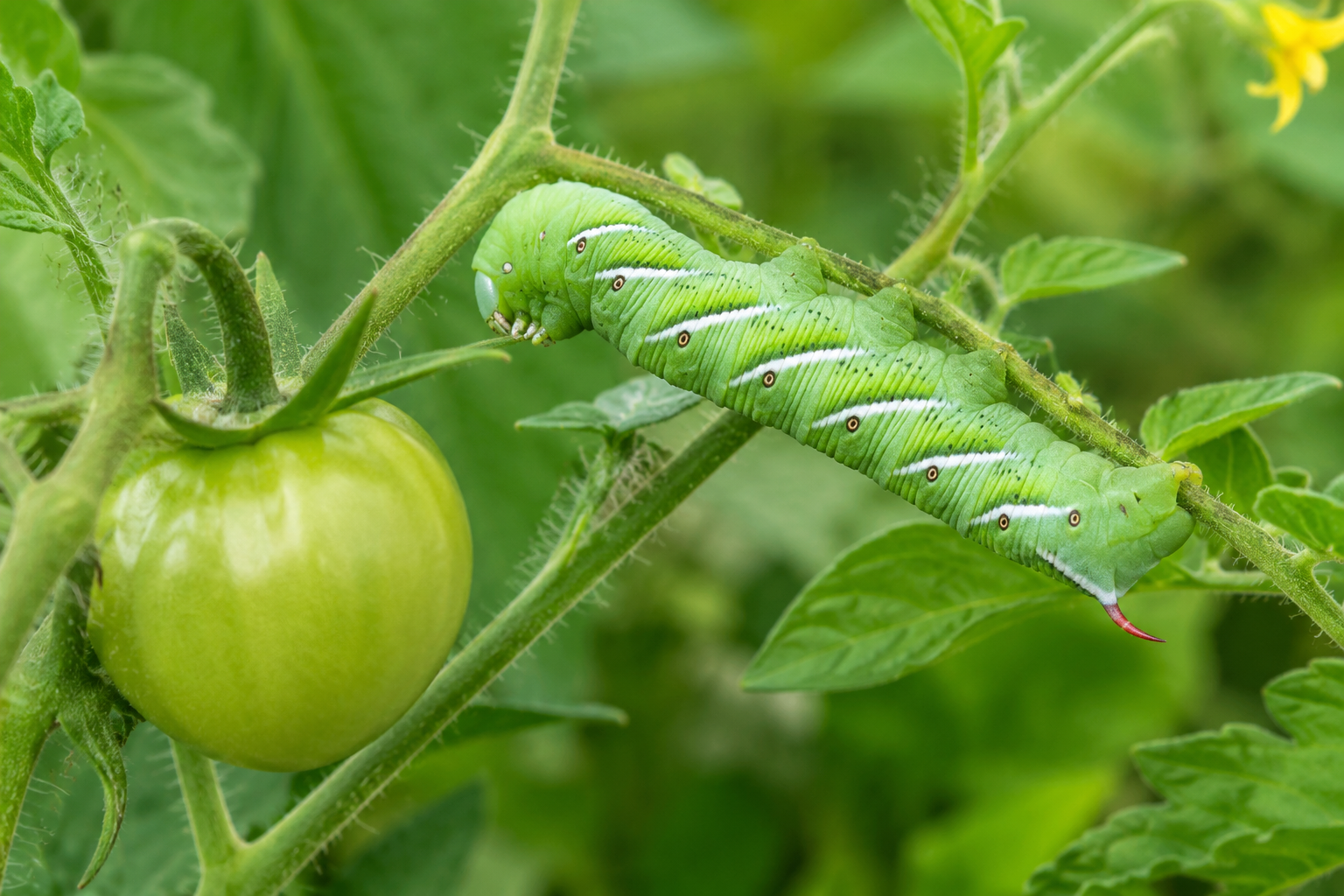
What they do: Massive green caterpillars (up to 4 inches) that can defoliate a tomato plant overnight and chew on green fruit. Hard to spot — they match the stems.
Plants most at risk: Tomatoes, peppers, eggplant, potatoes.
How to get rid of them organically:
- Inspect plants every evening — look for black droppings, then trace upward.
- Hand-pick and drop into soapy water (or relocate far from the garden).
- Leave hornworms covered in white rice-like cocoons alone — those are parasitic wasps doing your work.
- Spray Bt on young caterpillars before they grow large.
Last resort: Till the soil lightly in fall to expose overwintering pupae to predators and frost.
9. Thrips
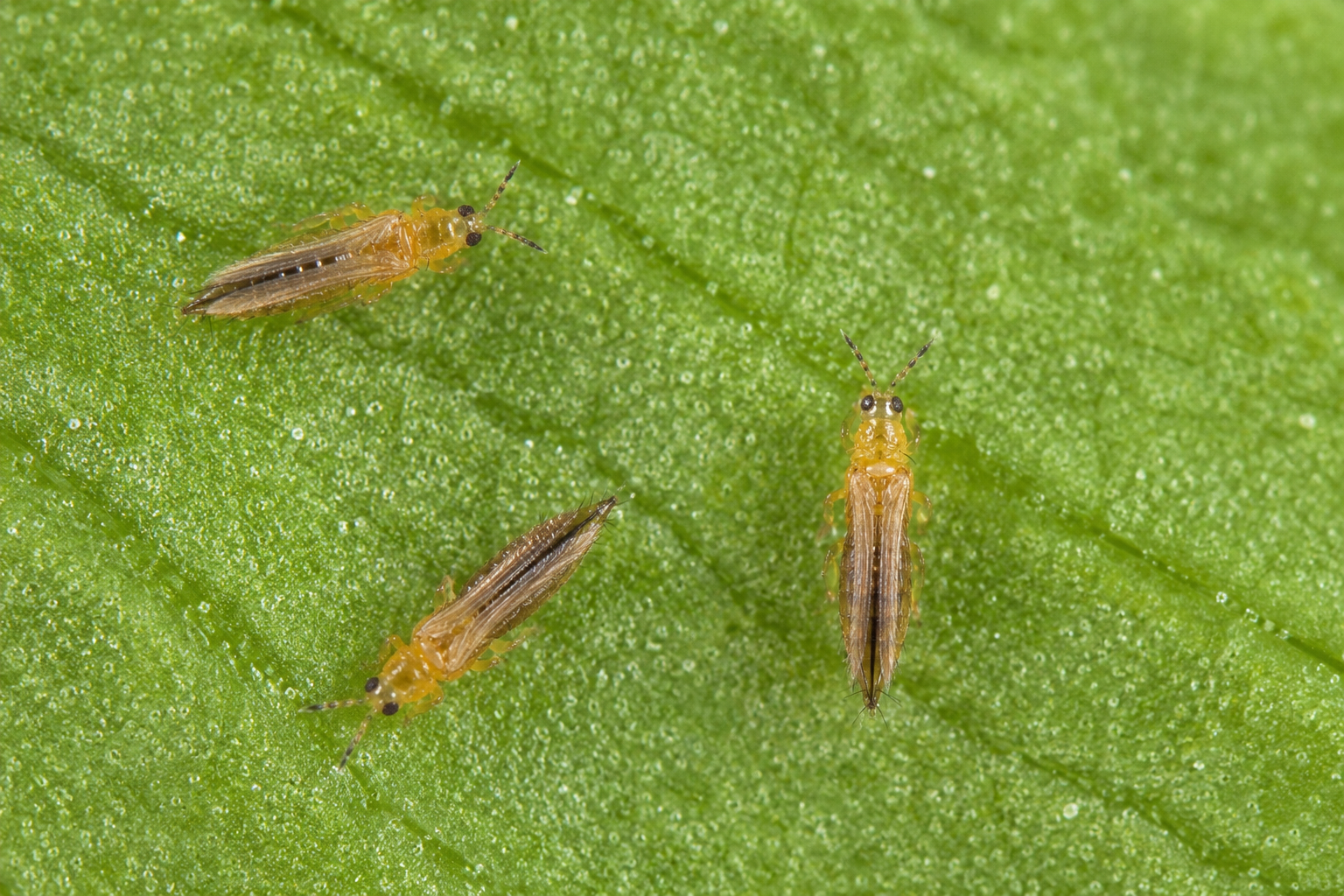
What they do: Slivers of insects barely visible to the eye that scrape leaves and flowers, leaving silvery streaks and black flecks of frass. They can also spread plant viruses, and damaged tissue will not heal even after thrips are gone.
Plants most at risk: Onions, beans, peppers, roses, gladiolus, dahlias.
How to get rid of them organically:
- Prevention and monitoring matter most — use floating row covers on vulnerable young plants, especially where thrips-vectored viruses are a concern.
- Hang blue sticky cards among susceptible plants to monitor populations.
- Remove and destroy heavily damaged flowers, leaves, and nearby weeds that harbor thrips.
- Use low-residue sprays such as insecticidal soap only when thrips are actually present and thorough coverage is possible — insecticides often will not stop virus spread.
Last resort: Release predatory mites (Amblyseius cucumeris) or minute pirate bugs for ongoing biological control.
10. Cucumber Beetles
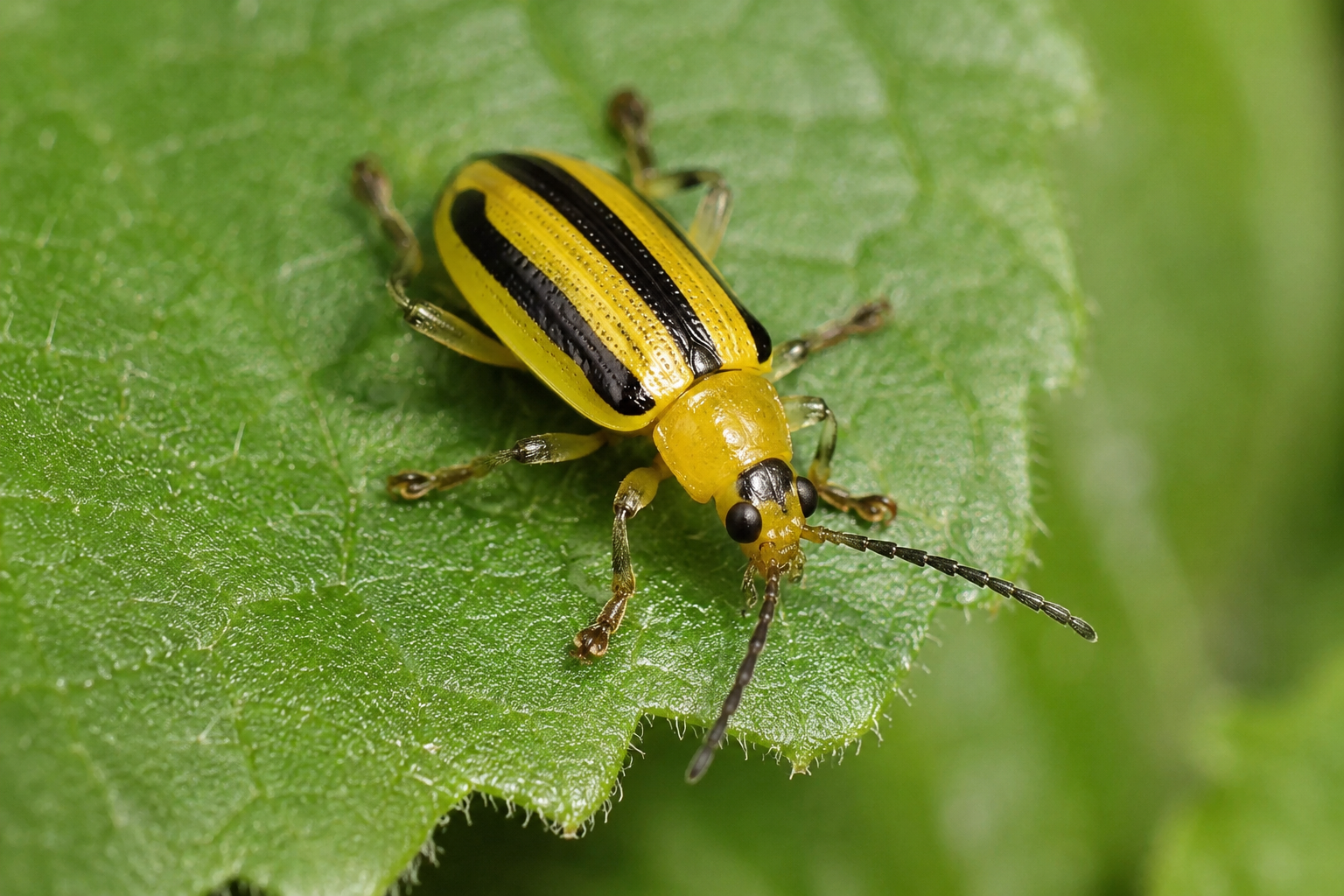
What they do: Yellow beetles with black stripes or spots that chew on leaves and flowers. The biggest concern is bacterial wilt, especially in cucumbers and melons, which remain vulnerable all season. Cucumber beetles can also contribute to spreading some plant diseases, but bacterial wilt is the key home-garden warning.
Plants most at risk: Cucumbers, squash, pumpkins, melons, beans.
How to get rid of them organically:
- Cover seedlings with row cover until flowers appear, then remove for pollination.
- Hand-pick beetles in the early morning when they are sluggish and drop them into soapy water.
- Try a trap crop such as Blue Hubbard squash planted at the edge of the bed to draw beetles away from your main crop.
- Mulch with straw or reflective film to disorient adults seeking host plants, and rotate cucurbits to a new location each year.
Last resort: Apply kaolin clay spray to coat plants — it irritates beetles without harming pollinators.
Build a pest-resistant garden for next year
The best long-term defense against insect pests is not a spray — it is a healthier, more diverse garden. A few habits make a huge difference season after season:
- Rotate crops so pests cannot rely on the same host plant in the same spot.
- Interplant flowers with vegetables — alyssum, dill, fennel, cosmos, and yarrow attract predators that hunt aphids, mites, and caterpillars.
- Mulch with straw or compost to support healthy soil and slow-moving ground beetles that eat slugs and grubs.
- Leave a small "wild" corner with native plants for beneficial insects to overwinter.
- Track what worked — record which pests appeared, when, and which treatments helped. Next year, you will know exactly when to put up row cover or release ladybugs.
Frequently asked questions
What is the most common garden pest?
Aphids. They reproduce faster than almost any other insect, feed on a huge range of plants, and spread plant viruses as they go.
What is the safest natural pesticide for vegetable gardens?
There is no single safest pesticide for every garden pest. Use the least-toxic, pest-specific method: water sprays or hand-picking first, insecticidal soap or horticultural oil for soft-bodied pests, Bt for young caterpillars, and iron phosphate bait for slugs when nonchemical methods are not enough. Always follow the product label.
How do I prevent pests without using chemicals?
Rotate crops, use floating row covers, attract beneficial insects with companion flowers, keep plants well-watered and well-spaced, and inspect leaves twice a week so you catch problems early.