Garden Planning
How to Plan a Garden That Actually Works: A Smarter Way to Design, Track, and Care for Your Plants
A practical guide to designing, tracking, and learning from your garden with a modern garden planning app.
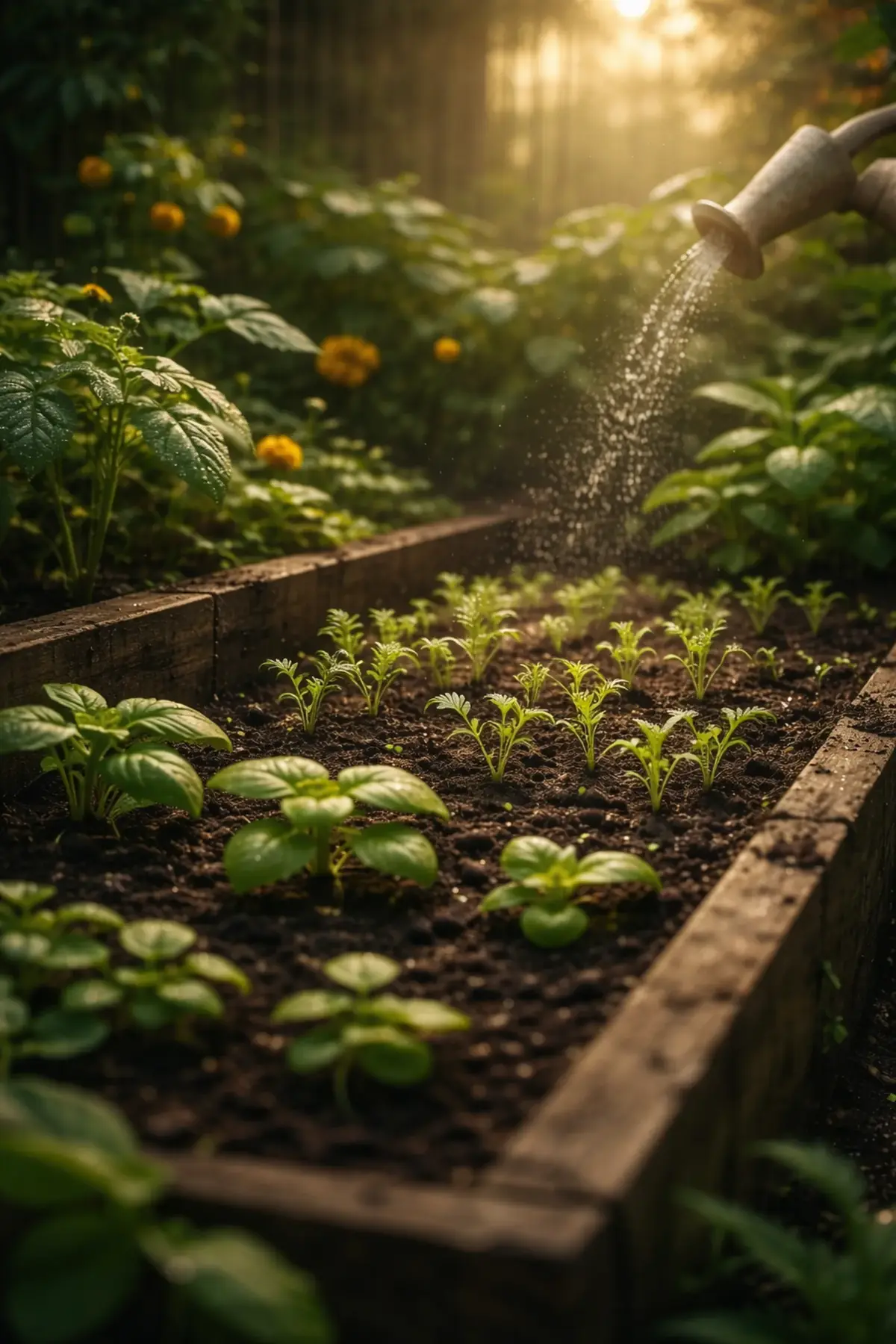
Garden planning is changing — and honestly, it needed to
If you have ever stood in front of a garden bed with a handful of seed packets, a cart full of plants, and a vague plan in your head, you already know how quickly garden planning can get overwhelming.
You think you will remember what went where. You think the plant tag will last. You think you will remember which dahlia was planted in the back corner, which tomato variety struggled, or when you started those snapdragons from seed.
And then real life happens.
The tag fades. The notes get lost. The garden fills in differently than expected. A plant gets crowded out. Something blooms beautifully, but you cannot remember the variety. Something else fails, and you are not sure whether it was the soil, the sun, the spacing, the watering, or simply the wrong plant in the wrong place.
That is exactly why more gardeners are looking for better ways to plan, track, and learn from their gardens — not just once in the spring, but all season long.
A garden planning app can help turn all of those scattered details into something useful, searchable, and easy to revisit.
Why a garden planner is more helpful than a one-time garden sketch
A simple garden sketch is a great starting point. But most gardens are living, changing spaces. Your garden does not stay frozen in the version you imagined in early spring.
Plants grow at different speeds. Some need staking. Some need deadheading. Some need more water than expected. Some surprise you and become favorites. Others teach you what not to plant next year.
That is where a digital garden planner becomes especially helpful. Instead of only asking, "Where should I put this plant?" a better garden planning system helps answer questions like:
- What did I plant here?
- When did I plant it?
- How far apart did I space everything?
- Which plants bloomed first?
- Which ones struggled?
- What needs watered, pruned, fertilized, harvested, or checked this week?
- What should I do differently next season?
A good garden planner is not just a design tool. It becomes your garden's memory.
The biggest problem most gardeners have: too many details to remember
Gardening looks peaceful from the outside, but anyone who grows flowers, vegetables, herbs, or perennials knows there are a lot of moving parts.
You may be tracking seed starting dates, transplant dates, spacing, sun exposure, bloom time, harvest windows, pests, diseases, watering needs, soil preferences, frost dates, companion planting, and seasonal cleanup tasks.
That is a lot to keep in your head. Even a small garden can become confusing once you add multiple varieties. A few tomato plants, herbs, zinnias, cosmos, dahlias, snapdragons, peppers, lettuce, and cut flowers can turn into a full garden management project very quickly.
This is where using a garden planning app like BotaNotes can help. Instead of relying on memory, faded plant tags, or random notes in different places, you can keep your garden details organized in one place.
What to look for in a garden planning app
Not every garden planning tool works the same way. Some are mostly layout tools. Some are focused on vegetable gardens. Some are more like plant identification apps. Others are journals or care trackers. The most useful garden planning app should help with several parts of the gardening process.
1. A visual garden layout
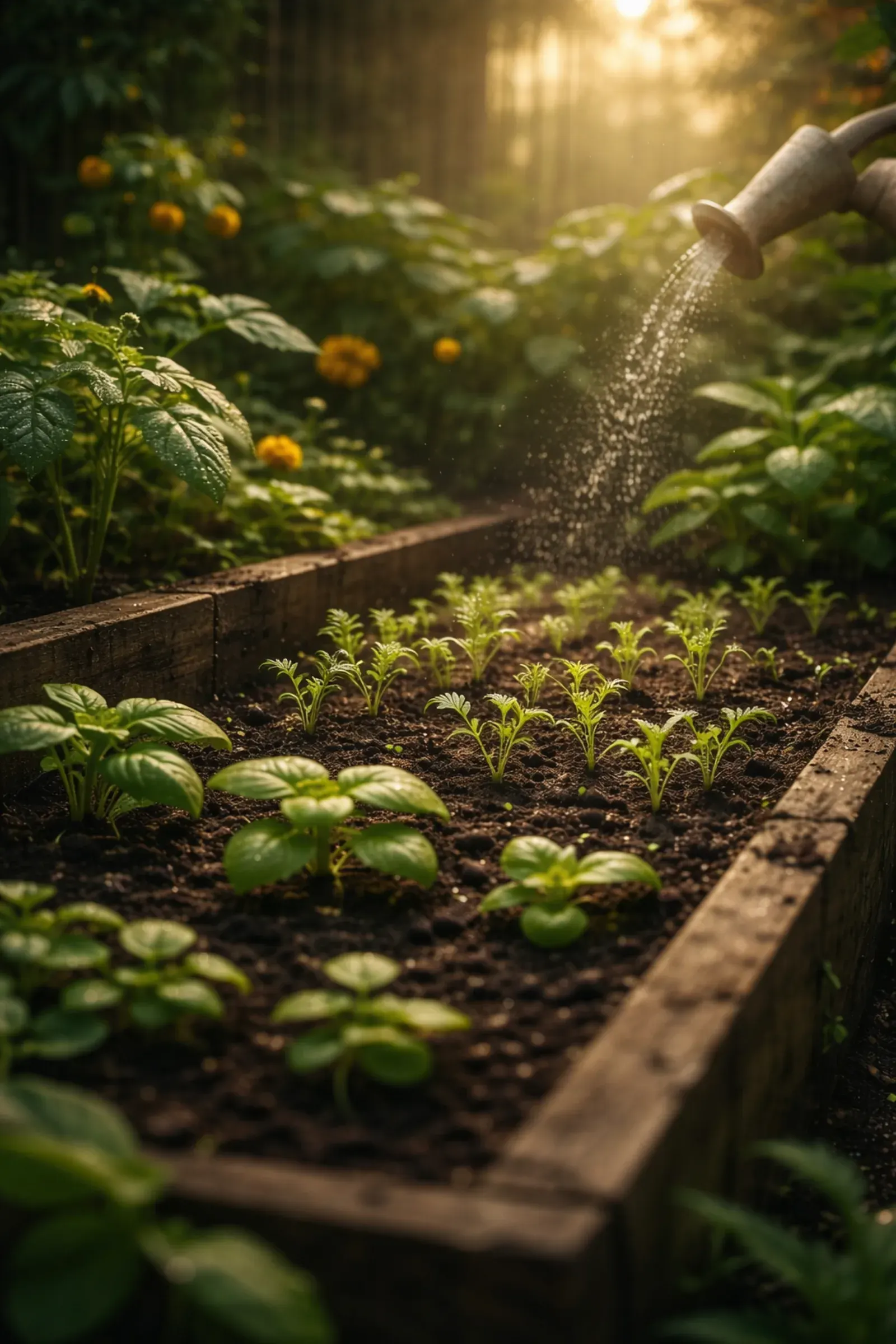
A strong garden planner should let you map out your growing space visually. This is especially helpful for flower beds, raised beds, vegetable gardens, herb gardens, and mixed plantings. When you can see the garden from above, it becomes easier to plan spacing, paths, rows, layers, and plant groupings.
This matters because garden success is not just about choosing pretty plants. It is also about putting the right plant in the right place. Tall plants can shade shorter ones. Spreading plants can crowd out delicate varieties. Some plants need airflow to avoid disease. Others work better in groups for visual impact.
A garden layout helps you plan before you plant — and gives you something to reference later.
2. Plant profiles with real growing information
A helpful garden app should store more than just the plant name. For each plant, it should be easy to track details like sun requirements, water needs, spacing, planting date, growth stage, bloom time, harvest timing, soil preferences, frost tolerance, and care notes.
This becomes especially useful when comparing what the plant was supposed to do with what actually happened in your garden. Did a plant struggle because it needed more sun? Did it flop because it grew taller than expected? Did it bloom late because it was planted too late? Did a vegetable variety perform better than another?
Those details are easy to forget, but they are incredibly helpful when planning next year's garden.
3. Care reminders and garden tasks
A garden does not only need attention on planting day. There are watering tasks, fertilizing schedules, pest checks, pruning reminders, seed starting dates, transplant windows, harvest times, and seasonal cleanup.
A garden planning app should help you turn those tasks into a simple care schedule so you know what needs attention and when. This is especially helpful during the busiest parts of the growing season, when the garden can change almost overnight.
Instead of wondering what you are forgetting, you can open your garden planner and see what needs to be done next.
4. A garden journal
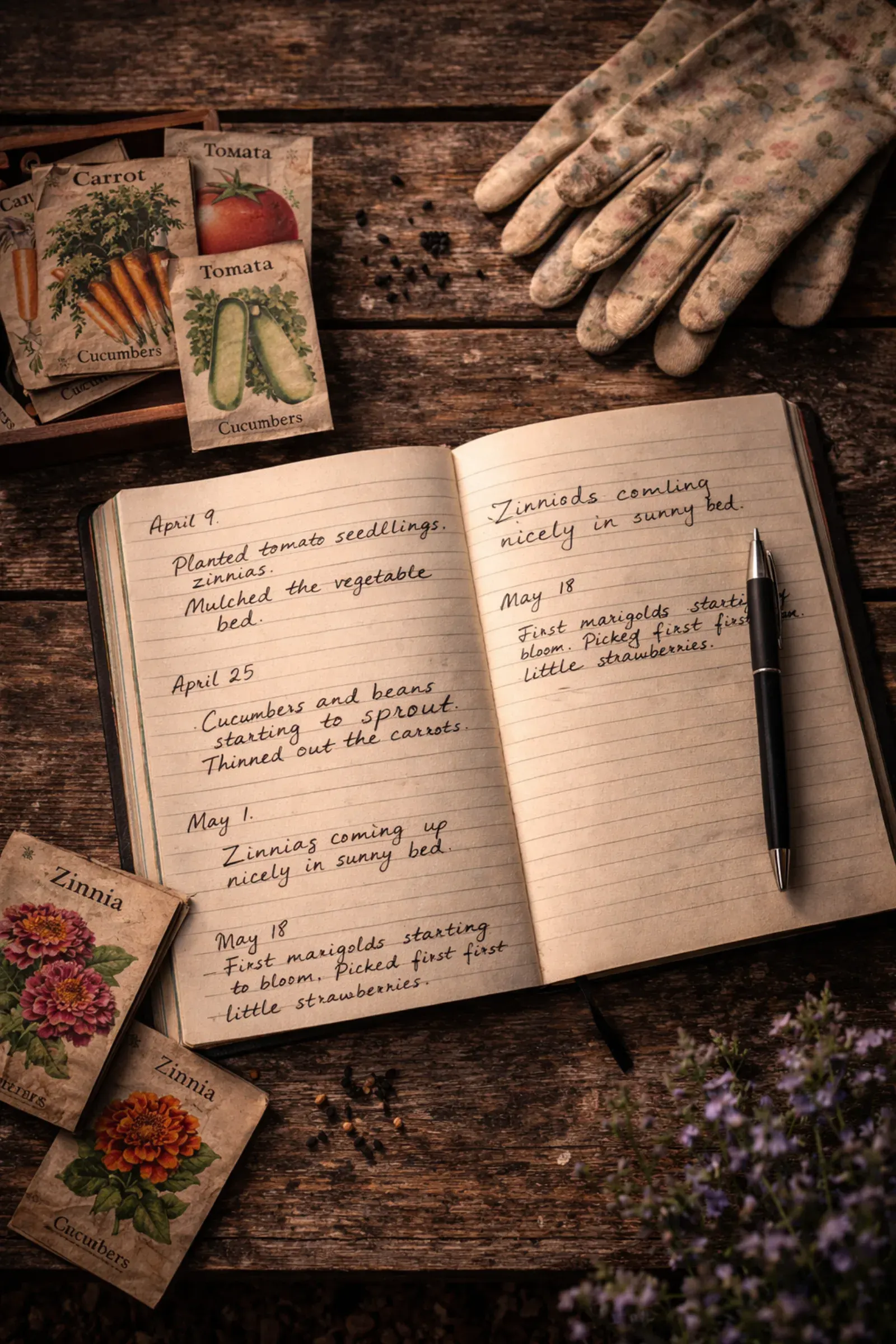
A garden journal is one of the most underrated gardening tools. It lets you record what worked, what failed, what bloomed beautifully, what pests showed up, which combinations you loved, and what you want to change next year.
Photos make this even more useful. A garden journal helps you see your progress over time. It also helps you make better decisions because you are learning from your actual garden, not just generic advice.
Over time, your garden journal becomes a personalized growing guide based on your own space, climate, soil, light, and plant choices.
5. AI-powered help for learning and troubleshooting
Gardeners are increasingly using AI tools to help with planning, plant care, and troubleshooting. That makes sense because gardening questions are often specific. You are not just asking, "How do I grow tomatoes?" You are asking, "Why are the leaves on my tomato plant yellow after a week of heavy rain?" or "What should I plant in a small sunny raised bed if I want herbs, flowers, and pollinator-friendly plants?"
A smart garden planning app can help organize those questions around your actual garden. AI-powered tools can be especially helpful for seed packet scanning, filling in missing plant information, identifying possible pests or diseases from photos, and generating care guidance based on the plants you are growing.
The best use of AI in gardening is not to replace experience. It is to make your garden information easier to understand and act on.
Why planning matters for flower gardens, not just vegetable gardens
A lot of garden planning tools focus heavily on vegetables, and vegetable gardeners definitely benefit from careful planning. Spacing, crop rotation, succession planting, harvest windows, and companion planting all matter. But flower gardeners need planning tools too.
Flower gardens have their own challenges. You may be planning for bloom succession, color harmony, height layers, pollinators, cutting gardens, fragrance, texture, and seasonal interest. A flower bed can look beautiful for two weeks and then fade if it was not planned with the full season in mind.
That is why a flower garden planner is so useful. It helps you think beyond what looks good at the garden center in May and plan for what your garden will look like in June, July, August, September, and beyond.
If you grow cut flowers, planning becomes even more important. You may want early bloomers, fillers, focal flowers, foliage, long stems, and varieties that keep producing after cutting. Tracking those details can help you create better bouquets and a better garden year after year.
Small gardens need planning too
One of the biggest trends in gardening right now is small-space gardening. More people are growing in raised beds, patio containers, balcony gardens, mini gardens, tabletop gardens, and compact backyard spaces.
Small gardens can be incredibly productive and beautiful, but they also require careful planning. When space is limited, every plant has to earn its place.
A garden planning app can help you avoid overplanting, choose compact varieties, plan vertical space, track containers, and make sure you are using your sunlight wisely. This is helpful whether you are growing herbs on a patio, flowers along a walkway, vegetables in raised beds, or a small cutting garden near your back door.
Planning helps you become a better gardener each year
The most valuable garden information is not always found in a book or online article. Often, it comes from your own garden. Your garden teaches you things like:
- Which plants handle your soil best
- Which areas dry out fastest
- Which flowers bloom longest
- Which vegetables your family actually eats
- Which varieties are worth growing again
- Which plants attract pollinators
- Which combinations look beautiful together
- Which areas need more structure, mulch, support, or seasonal interest
But you only benefit from those lessons if you record them. That is why garden tracking matters. The more you document, the easier it becomes to plan a better garden next year. Instead of starting over every spring, you build on what you already learned.
How BotaNotes helps you plan, track, and learn from your garden
BotaNotes was created for gardeners who want a more organized way to manage their growing space. It is designed to help you plan your garden layout, track your plants, manage care tasks, keep garden notes, and learn as you grow.
With BotaNotes, you can use your garden plan as more than a one-time sketch. You can turn it into a living record of your garden. Use it to keep track of what you planted, where you planted it, when you planted it, and how it performed. Add notes, photos, care tasks, and plant details so your garden becomes easier to manage and easier to improve.
Whether you are growing flowers, vegetables, herbs, perennials, or a mix of everything, BotaNotes helps you keep your garden information in one place.
A smarter garden starts with better notes
Gardening will always involve a little trial and error. That is part of what makes it rewarding. But you do not have to repeat the same mistakes every year.
When you plan your layout, track your plants, document your garden, and create care reminders, you give yourself a much better chance of growing a garden that works for your space and your life.
A beautiful garden does not happen all at once. It is built through small decisions, careful observations, and lessons learned over time. BotaNotes helps you keep those lessons organized so each season gets a little easier, a little smarter, and a little more beautiful.