Cut Flower Garden
How to Start a Cut Flower Garden (Beginner's Guide)
A cut flower garden is the fastest way to turn a small backyard bed into an armful of bouquets every week from June to frost. Here's exactly how to start one this season.
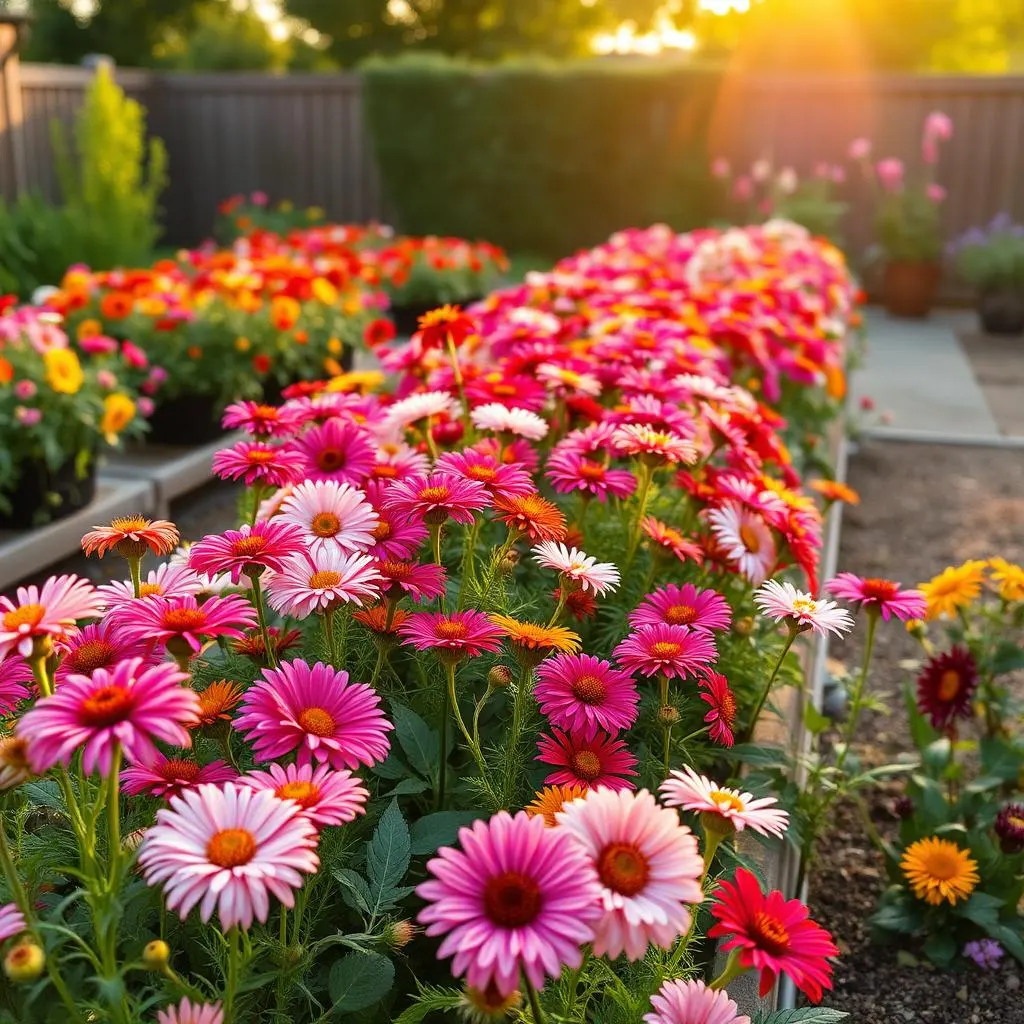
What is a cut flower garden?
A cut flower garden is a bed grown for harvest, not display — every plant is chosen because it produces long, straight stems that hold up in a vase for a week or more. It looks different from a landscape flower bed: closer spacing, taller varieties, and rows or blocks you can walk between with pruners in hand.
How much space do you need?
A 4' × 8' raised bed is enough to keep one household in fresh bouquets all season. Two beds that size will produce enough to gift jars weekly to neighbors and still have flowers on your own table. You do not need an acre — you need succession (more on that below).
Pick a spot with at least 6 hours of direct sun
Cut flowers are sun crops. Zinnias, dahlias, cosmos, sunflowers, and celosia all struggle below 6 hours of direct light and produce short, weak stems. Watch your yard for a full day before committing — the shadiest hour matters more than the sunniest.
The 10 easiest cut flowers to grow from seed
These are the workhorses. All ten are direct-sow or beginner-friendly transplants:
- Zinnia — the entry drug. Cut, and it branches. Sow after last frost.
- Cosmos — airy filler. Ignores bad soil. Direct sow.
- Sunflower (branching type) — succession every 10 days.
- Snapdragon — cool-season, transplant 4 weeks before last frost.
- Celosia — heat-loving, plumey. Long vase life.
- Bachelor button (cornflower) — direct sow in early spring.
- Amaranth — trailing ropes of texture, dries beautifully.
- Rudbeckia — treat as annual. Long stems, gold and rust tones.
- Marigold — the African tall types (24"+) are stunning in bouquets.
- Basil (flowering) — the best cut-flower herb for foliage and scent.
Bed prep: this is the whole game
Cut flowers pay you back for one thing: soil that drains and holds nutrients. Before you plant, work 2–3" of finished compost into the top 6" of soil. Cover the bed with a mulch (leaf, straw, or wood chip) once seedlings are up. Nothing else matters as much as this.
Spacing: closer than you think
Landscape flower spacing is not cut-flower spacing. Plant on a 9" × 9" gridfor zinnia, cosmos, snapdragon, celosia — closer plants force longer, straighter stems as they compete for light. Sunflowers go 6" apart in-row for single-stem harvests.
Pinch the branching annuals
When your zinnia, cosmos, snapdragon, or celosia plants reach 8–10" tall, snip the central growing tip back to the third set of true leaves. You lose 7–10 days of blooming. You gain 2–3× the total stem count over the season. This one habit is the difference between a hobby bed and a market-ready bed.
Succession: how to have flowers every week
Sow the same variety 2–3 times, 14 days apart, instead of one big planting. One March planting of zinnias gives you four weeks of bloom. Three plantings 14 days apart give you 10–12 weeks. Same seed, same bed — different timing.
The full framework is here: Cut flower succession planting: a working template.
Harvest early in the morning
Cut when it's cool — before 9 am is ideal. Bring a bucket of clean water to the garden and put stems in it immediately. Recut at an angle in the kitchen, strip any leaves below the water line, and let stems rest in the fridge or a cool room for 2 hours before arranging. The full protocol is in post-harvest and vase life for cut flowers.
How often to water a cut flower garden
Deep and infrequent beats shallow and daily. Aim for 1" of water per week including rainfall, delivered in one or two soakings rather than daily sprinkles. Drip irrigation on a timer is worth every penny — foliage stays dry (fewer diseases) and stems grow long reaching for light, not surface water.
A first-year season plan you can copy
- 6–8 weeks before last frost: start snapdragons indoors under lights.
- 4 weeks before last frost: transplant snapdragons; direct sow bachelor button.
- Last frost: direct sow zinnia round 1, cosmos, sunflower round 1.
- +2 weeks: zinnia round 2, sunflower round 2. Pinch round 1.
- +4 weeks: zinnia round 3, sunflower round 3, celosia, amaranth.
- +6 weeks: final sunflower + cosmos for September bloom.
Track it in BotaNotes
The free plant tracker inside BotaNotes records sow date, first bloom, and stem count per variety. Next year your succession plan writes itself. Start a 15-day trial or explore the flower farming hub for the business-scale version of this playbook.