Companion Planting
Best Companion Plants for Peppers (and What to Avoid)
Peppers are heavy feeders that love warmth, steady moisture, and a little help from the right neighbors. Here's how to plan a pepper bed that produces more fruit with less pest pressure.
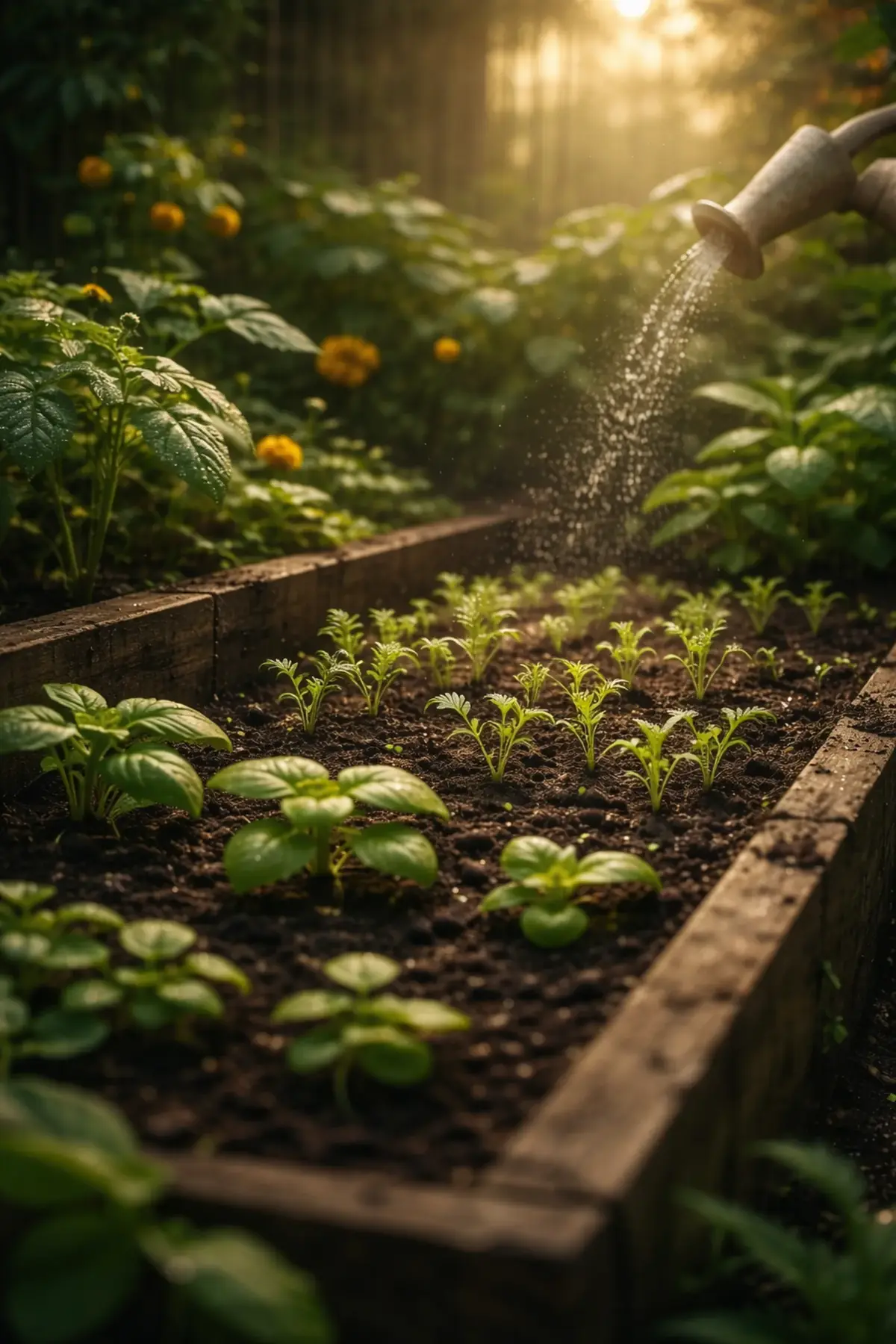
Why companion planting works for peppers
Peppers don't grow in isolation. Their roots share soil, their leaves share air, and their flowers share pollinators with whatever else is nearby. Good companions improve those shared resources — fixing nitrogen, deterring aphids, attracting bees, shading soil — while bad companions compete for nutrients or attract the same pests.
The list below is built on practical garden experience and university extension research, not folklore. Pair these with consistent watering, mulch, and a balanced fertilizer, and you'll see a clear difference by mid-summer.
The best companion plants for peppers
1. Basil
The classic pepper companion. Basil is thought to repel aphids, thrips, and whiteflies, and some gardeners report it improves pepper flavor. It also thrives in the same warm, sunny, evenly-watered conditions, which makes it easy to interplant. Tuck basil between pepper plants 12 inches apart for a dense, productive bed.
2. Onions, garlic, and chives
Alliums emit sulfur compounds that deter aphids, spider mites, and some beetles. They take up very little horizontal space, so they slot between pepper plants without crowding. Plant onion sets or chive clumps around the perimeter of the bed for a living pest barrier.
3. Carrots
Carrots are good neighbors because their feathery foliage shades the soil without competing for sun, and their long roots break up compacted ground for the shallower pepper roots above. They also mature on a different schedule, so you can harvest carrots while peppers are still ramping up.
4. Spinach and lettuce
Quick-maturing greens like spinach, leaf lettuce, and arugula make great early companions. They'll fill the bed and produce a harvest in the cool weeks while pepper transplants are still small, then get pulled before the pepper canopy closes in and shades them out.
5. Marigolds
French marigolds (Tagetes patula) repel nematodes in the soil and attract hoverflies and parasitic wasps that prey on aphids. Plant a ring around your pepper bed or interplant every few feet. They also flower all season, which keeps pollinator activity high.
6. Nasturtiums
Nasturtiums act as a trap crop for aphids — pests prefer the nasturtiums and leave your peppers alone. They also bring in pollinators and predator insects. Sow them at the bed edges where their trailing habit won't crowd peppers.
7. Tomatoes (with caveats)
Peppers and tomatoes are botanical cousins and have similar needs, so they grow well side by side if you rotate them next year. The risk is shared diseases — especially verticillium and early blight. Pair them only in beds you can rotate to a different crop family next season.
Plants to keep away from peppers
- Brassicas (cabbage, broccoli, cauliflower, kale): heavy feeders that out-compete peppers for nitrogen and prefer cooler temperatures.
- Fennel: releases compounds that suppress the growth of most nearby crops, including peppers.
- Beans: while beans fix nitrogen, mature bush and pole beans tend to shade peppers and have been linked in some trials to reduced pepper yield.
- Apricot trees: can host the same fungal diseases that attack peppers; keep peppers out of their drip line.
How to lay out a pepper bed with companions
A simple, productive layout for a 4-by-8-foot bed:
- Center row: 4 pepper plants, 18 inches apart
- Between peppers: basil, one plant per gap
- Outer rows: alternating carrots and spinach early in the season
- Bed perimeter: a continuous border of French marigolds and a few nasturtiums at the corners
- Corners: a clump of chives or scallions in each corner
That single bed gives you peppers, herbs, salad greens, root crops, pollinator forage, and pest control — all from one well-planned planting.
Care tips that amplify companion-planting benefits
- Wait for warm soil. Peppers sulk below 60°F soil temperature. A week of patience after your last frost is worth more than a head start.
- Mulch heavily. 2–3 inches of straw or shredded leaves keeps soil moisture even — critical for preventing blossom-end rot and dropped flowers.
- Feed lightly but often. Peppers respond better to a steady, balanced fertilizer than to one heavy dose. Avoid high-nitrogen feeds once flowering starts.
- Support the plants. A small tomato cage or single stake keeps branches from snapping under heavy fruit late in the season.
Track what works in your garden
Companion planting isn't one-size-fits-all. The varieties you grow, your climate, your soil, and even your watering routine change which pairings actually pay off. That's why the most useful record is your own. Log your pepper bed in BotaNotes — varieties, companions, planting dates, pest sightings, harvest counts — and let next year's plan be a refinement of this year's, not a fresh guess.